

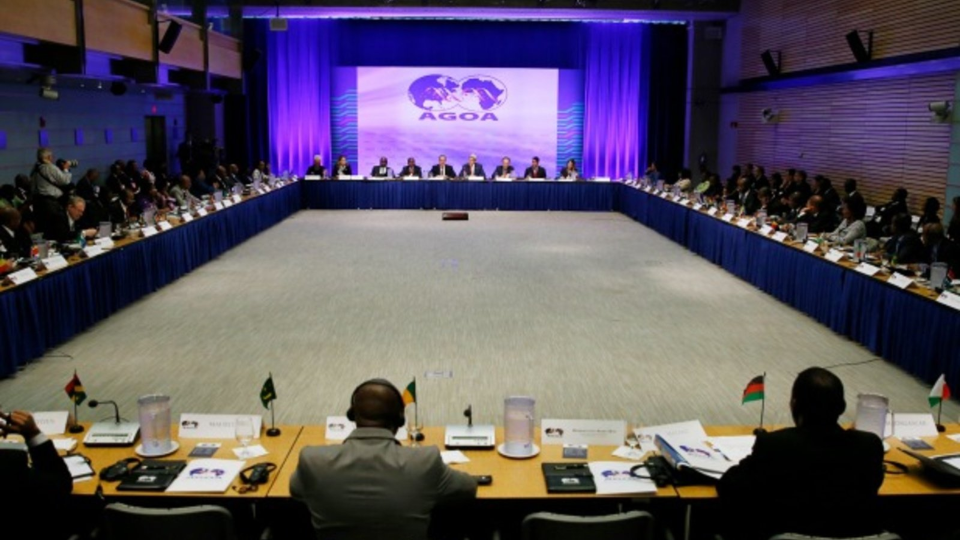
AGOA’s End: A Turning Point for US-Africa Trade Relations
The African Growth and Opportunity Act (AGOA), a cornerstone of trade relations between the United States and 35 sub-Saharan African nations, is set to expire on September 30, 2025, marking the end of 25 years of duty-free access to the US market for nearly 7,000 products. As the deadline looms, African economies brace for significant shifts, with some countries facing substantial economic challenges while others see an opportunity to redefine their trade strategies.
Launched in 2000 under President Bill Clinton, AGOA aimed to integrate African economies with the world's largest market by eliminating tariffs on a wide range of goods, including textiles, agriculture, and raw materials. The agreement spurred growth in key sectors, creating thousands of jobs in countries like Madagascar, Lesotho, and South Africa. For instance, Lesotho's textile industry thrived, while South Africa's citrus exports and Madagascar's vanilla and textile sectors benefited significantly.
However, the overall impact of AGOA has been uneven. While exports to the US increased in specific sectors, such as textiles, the agreement's benefits were not universally felt across the continent. Only a handful of countries fully capitalized on the duty-free access, and bureaucratic hurdles often diminished the incentives for smaller exporters. In 2017, just 8.5 percent of exports from AGOA countries were destined for the US, far less than those directed to Europe or China, indicating a declining reliance on the American market.
The expiration of AGOA threatens significant economic disruptions. South Africa, the largest African exporter to the US, could lose over 35,000 jobs in its citrus sector alone. Madagascar faces a 47 percent tariff on its vanilla and textile exports, while Lesotho, heavily reliant on jeans production, contends with a reduced but still burdensome 15 percent tariff, down from a proposed 50 percent. Other nations, such as Botswana and Chad, could see export declines of 2 to 6 percent, particularly in critical industries like platinum, gold, diamonds, and rare earths. These tariffs could lead to reduced production and job losses, as African companies struggle to remain competitive in the US market.
The return of protectionist policies in the US, particularly following Donald Trump's re-election in 2025, has accelerated AGOA's decline. Rising tariffs have already strained trade relations, and the agreement's end could further diminish Africa's share of the US market. However, this shift is prompting African nations to explore new trade avenues. Some, like Zimbabwe, have lowered their own customs barriers to mitigate the impact, while South Africa and Madagascar are seeking targeted exemptions from US tariffs.
Beyond the US, African countries are increasingly turning to alternative partners. China has emerged as a significant player, abolishing tariffs for 33 African nations and boosting trade to $295 billion in 2024, dwarfing the $8 billion in AGOA-related exports to the US. The European Union remains a key partner through its Economic Partnership Agreement, while countries like India, Turkey, Brazil, and Russia are expanding their presence on the continent.
The end of AGOA is viewed by some as a chance to break free from dependency on Western markets. African nations are urged to prioritize economic sovereignty by diversifying trade structures and reducing reliance on any single partner. The African Continental Free Trade Area (AfCFTA), in force since 2021 and encompassing 54 countries with a combined population of 1.5 billion, offers a promising framework for intra-African trade. Experts argue that AfCFTA could outshine AGOA by fostering regional integration and creating new opportunities for African businesses.
However, transitioning to new trade models comes with challenges. African nations must negotiate balanced agreements to avoid swapping old dependencies for new ones. Local value creation, rather than raw material exports, is critical to building sustainable economies. The focus is shifting toward partnerships that prioritize mutual benefit and long-term growth.
As AGOA fades, African countries stand at a crossroads. The expiration of the agreement underscores the need for diversified trade relationships and stronger regional cooperation. While the loss of duty-free access to the US market poses immediate challenges, it also opens the door to new partnerships and a reimagined economic future. By leveraging initiatives like AfCFTA and forging strategic alliances with global players, Africa has the opportunity to redefine its role in the global economy, moving from aid-driven trade to a model of autonomy and resilience.