

Kenyan Students to Automatically Receive IDs and Voter Registration at 18 Under New Legislation
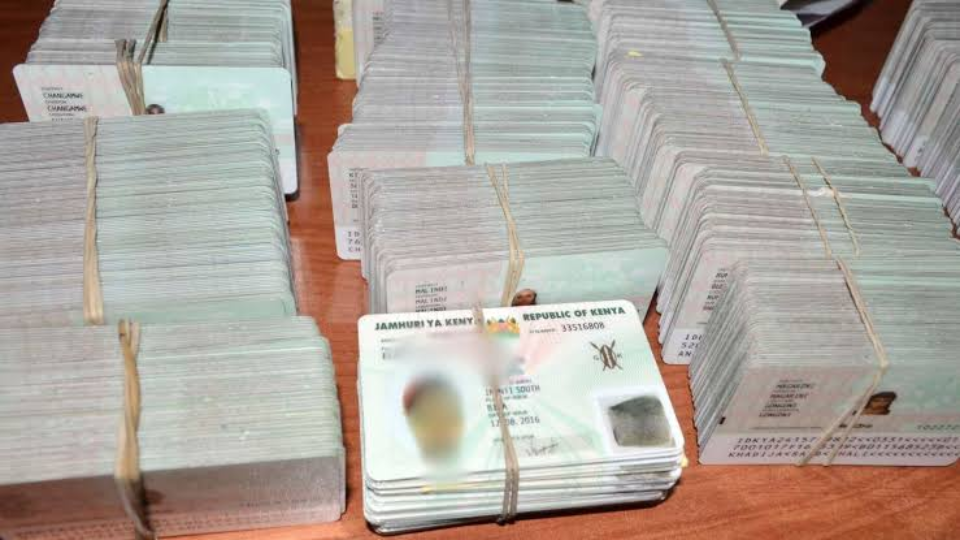
Secondary school students in Kenya who turn 18 during the academic year will soon be automatically issued national identity cards and registered as voters, all before graduating. This transformative measure stems from the Registration of Persons (Amendment) Bill, 2024, which has received approval for publication from the National Assembly's Budget and Appropriations Committee.
The legislation, aimed at boosting voter participation and easing administrative burdens, requires schools to facilitate the registration of any student reaching 18 within 30 days of their birthday. Under existing rules, individuals must personally visit a registration officer within 90 days of turning 18, with non-compliance treated as a punishable offense. The new bill shifts this responsibility to schools, building on current practices where the National Registration Bureau collaborates with school administrations for on-site drives.
Proponents highlight multiple advantages for both students and the country. Obtaining an ID at this stage grants immediate legal identity, unlocking access to essential services such as scholarships, banking, and travel documents. It also ensures seamless integration into the electoral system, allowing young people to vote without delay upon completing school.
The bill, tabled by Kipipiri Member of Parliament Wanjiku Muhia, targets longstanding challenges in voter outreach. Committee members, including Baringo Women Representative Florence Jematiah, advocated for aligning ID issuance directly with voter registration to further minimize costs for the Independent Electoral and Boundaries Commission. Muhia has agreed to incorporate these enhancements before the bill advances.
Led by Alego Usonga MP Samuel Atandi, the committee confirmed the proposal does not qualify as a money bill and will now proceed through standard parliamentary scrutiny, including public participation and plenary debates.
Projected Costs and Logistics
Implementing the reforms will require significant upfront investment, according to a fiscal analysis by the Parliamentary Budget Office. The first year is projected to cost taxpayers KSh 451.5 million, rising to KSh 474.1 million in year two and KSh 497.9 million in year three. These figures account for monthly visits by registration teams to Kenya's 10,752 secondary schools.
Each exercise involves two officers per school, with daily allowances of KSh 3,000 per person covering transport, meals, and incidentals. Registrations will align with the seven-month school calendar to maximize efficiency.
County registration offices, which already handle school-based drives, operate on a modest quarterly budget of KSh 100,000. The additional funding aims to alleviate these resource constraints and ensure consistent nationwide coverage.
The timing of the bill coincides with the IEBC's ongoing Continuous Voter Registration exercise, launched on September 29. Despite efforts to enroll eligible citizens, the commission has faced underwhelming turnout, especially in rural and less urbanized areas.
As of October 2, only 7,048 new voters had been added nationwide, alongside 259 transfers and eight updates to personal details. Performance varies sharply by region: Nairobi tops the list with 1,597 fresh registrations and 42 transfers, while Mombasa, Kiambu, and Kisii show steady gains. In contrast, several counties recorded minimal activity, including Nyamira with 10, Lamu with 1, Tharaka Nithi with 24, Embu with 71, Tana River with 21, and Isiolo with 34.
IEBC Chairperson Edung Ethekon emphasized the exercise's nationwide accessibility and commitment to equitable participation, underscoring the need for innovative solutions like the proposed bill to engage youth early.
If passed into law, the amendments promise to modernize Kenya's registration framework, potentially adding hundreds of thousands of young voters annually and fostering greater democratic inclusion from the school gates onward. The bill's journey through Parliament is expected to accelerate amid growing calls for electoral reforms ahead of future polls.