

Kenya Advances Sovereign Credit Reforms with National Workshop and New Rating Committee
Kenya is intensifying efforts to enhance its sovereign credit rating through a high-level, three-day national workshop that commenced on October 6 in Mombasa. Organized by the National Treasury in partnership with the United Nations Development Programme (UNDP), the Government of Japan, AfriCatalyst, and the African Peer Review Mechanism (APRM), the forum brings together a diverse coalition of international and local stakeholders to bolster the country's credit rating framework.
The workshop aims to strengthen Kenya's capacity to engage with credit rating agencies (CRAs), reduce borrowing costs, and better align the nation's credit ratings with its strong economic fundamentals. A central focus of the event is the establishment of a multistakeholder Kenya Credit Rating Committee, which will institutionalize a coordinated, proactive approach to managing credit ratings. This committee will facilitate structured engagement with CRAs, monitor key rating drivers, and ensure consistent communication to present Kenya's economic strengths effectively.
The initiative is part of a broader strategy to develop a detailed, actionable plan to improve Kenya's credit rating outlook and lower the cost of debt servicing. By enhancing fiscal transparency and refining engagement strategies with CRAs, including data preparation, negotiation, and advocacy skills, the government seeks to secure fairer assessments that reflect Kenya's economic resilience. These efforts align with the country's long-term goals under Vision 2030 and the Sustainable Development Goals (SDGs).
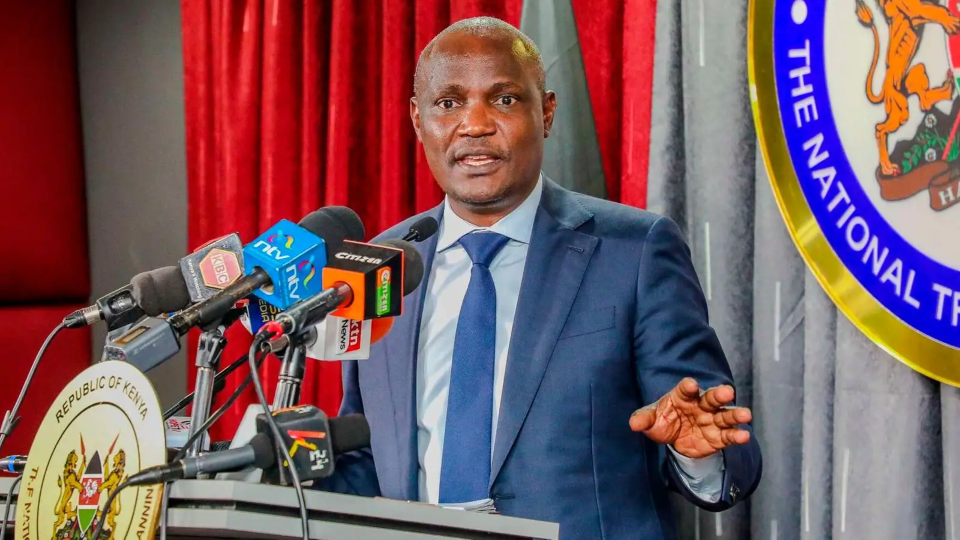
At the workshop's opening, Cabinet Secretary for the National Treasury, John Mbadi, underscored Kenya's robust economic foundation and commitment to prudent fiscal management. He highlighted that Kenya's economy grew by 5.0% in the second quarter of 2025, up from an average of 4.9% in 2024, with projections of 5.3% growth by the end of 2025 and into 2026. This stable macroeconomic environment, he noted, supports the country's growth trajectory and provides a solid basis for engaging CRAs.
Despite these strengths, Kenya's current sovereign credit ratings of B (S&P), B- (Fitch), and Caa1 Negative (Moody's) reflect a constrained profile, leading to elevated borrowing costs due to perceived higher risk premiums. Mbadi explained that the growing share of debt service in national revenues has strained fiscal space, limiting investments in critical sectors such as infrastructure, health, education, and climate resilience.
However, recent developments provide cause for optimism. Mbadi pointed to recent credit rating upgrades as evidence of growing confidence among rating agencies and investors. These upgrades, partly attributed to the 2025 Finance Act, which introduced measures to enhance tax compliance and fiscal transparency, signal progress in addressing fiscal challenges. The upgrades demonstrate the potential for fairer credit assessments to lower borrowing costs, enabling the government to redirect resources toward priority areas like infrastructure, agriculture, and climate resilience.
Complementing these reforms, Kenya has implemented active liability management operations to smooth its debt maturity profile and minimize fiscal shocks. These strategies are designed to bolster investor confidence and support the nation's broader economic objectives. The workshop serves as a vital platform for stakeholders, including regulators, development partners, and private sector actors, to deepen their understanding of credit rating frameworks and align efforts to meet CRA expectations.
By fostering collaboration and building national capacity, the Mombasa workshop marks a significant step in Kenya's journey to strengthen its sovereign credit profile, reduce borrowing costs, and achieve sustainable economic growth.