

African Union Sounds Alarm on Unprecedented Security Threats, Urges Global Action
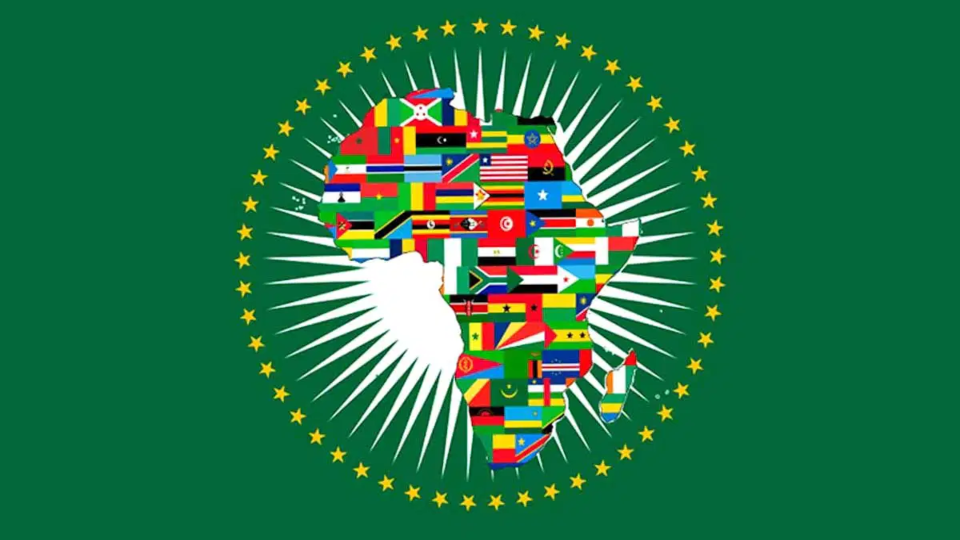
The African Union (AU) has issued a stark warning about an unprecedented wave of security threats sweeping across the continent, calling for urgent and coordinated global action to restore peace and stability. During a recent United Nations Security Council session focused on AU-UN cooperation, the AU emphasized that only collective efforts can tackle the escalating conflicts, terrorism, and governance crises destabilizing multiple regions of Africa.
The AU's representative highlighted the pressing need for solutions to achieve greater stability, pointing to the complex and interconnected crises gripping the Horn of Africa, Sudan, South Sudan, and the Great Lakes region. These areas are experiencing overlapping challenges that have displaced millions of people and placed immense strain on humanitarian systems. The scale of displacement and suffering underscores the urgency of addressing these issues through unified international support.
The UN Special Representative for the AU acknowledged significant strides in certain areas, particularly in supporting free, fair, and credible elections in countries such as Botswana, Ghana, Mauritius, and Malawi. These democratic achievements mark important progress in strengthening governance. However, the representative cautioned that the sheer number and complexity of conflicts across Africa remain deeply concerning. Weak governance, violent extremism, inequitable resource distribution, organized crime, and the intensifying effects of climate change were identified as key drivers of instability.
A central message from the session was the recognition that military solutions alone cannot address the root causes of Africa's conflicts. In the Democratic Republic of Congo (DRC) and other affected regions, the underlying issues fueling unrest require political and diplomatic efforts. The UN representative urged member states to leverage their influence to promote peaceful resolutions, emphasizing that sustainable stability depends on addressing these structural challenges.
The disproportionate impact of insecurity on women and girls was also a focal point, with calls for targeted measures to protect vulnerable populations. Additionally, climate change was described as a major conflict multiplier, exacerbating tensions and contributing to instability across the continent. Environmental stressors, such as resource scarcity and extreme weather events, are intensifying existing vulnerabilities and fueling further unrest.
The UN Assistant Secretary-General for Africa provided an update on the implementation of Resolution 2719 (2023), a landmark framework designed to bolster AU-UN cooperation on peace support operations. This initiative aims to address long-standing gaps in Africa's peace and security architecture. Four key workstreams have been set in motion, focusing on joint planning mechanisms, mission support frameworks, financial arrangements, and compliance standards for AU-led operations. These efforts are intended to ensure that collaboration between the AU and UN is both strategically visionary and operationally effective.
The session highlighted Africa's growing demand for more predictable, reliable, and equitable support from the international community. The AU stressed that addressing the continent's security challenges requires not only immediate action but also long-term commitments to strengthen governance, promote equitable resource distribution, and mitigate the effects of climate change. As the continent grapples with these multifaceted threats, the call for global solidarity and coordinated action has never been more urgent.