

Senate Proposes Tough Measures Against Counties with Undeclared Bank Accounts
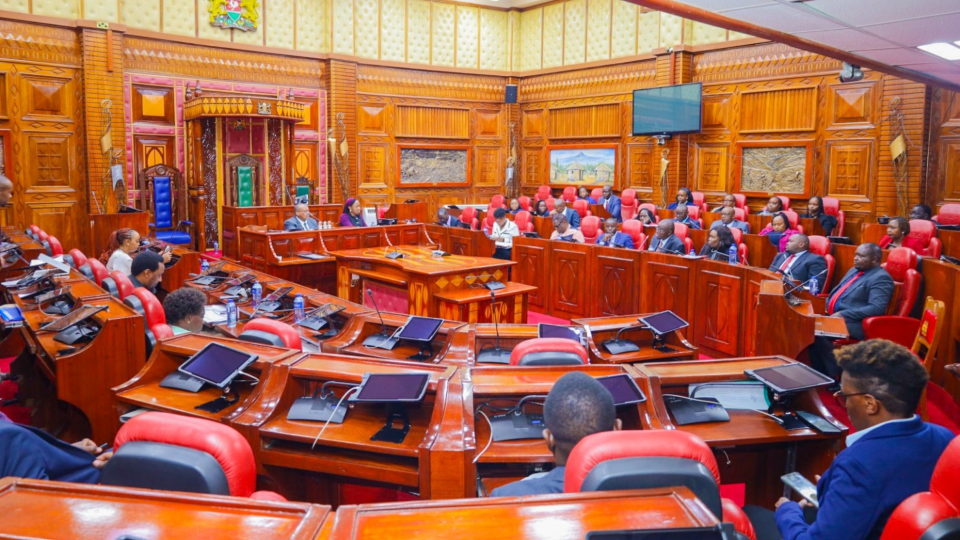
The Senate has introduced a robust plan to address financial malpractice in county governments by enhancing oversight of commercial bank accounts and imposing severe penalties for non-compliance. This initiative follows alarming revelations that counties have been operating thousands of undeclared accounts outside the legal framework, raising concerns about the potential misuse of public funds.
The Devolution and Intergovernmental Relations Committee has proposed significant amendments to financial regulations to ensure complete transparency and accountability. These changes aim to grant the Controller of Budget, Auditor-General, and Central Bank of Kenya real-time, unrestricted access to all county-operated bank accounts. The committee's recommendations stem from an inquiry into the widespread practice of counties opening and managing unauthorized commercial bank accounts.
Controller of Budget Margaret Nyakang'o disclosed that counties are maintaining over 5,400 irregular accounts, a figure that has sparked fears of billions of shillings being lost through unregulated transactions. To address this issue, the committee, chaired by Wajir Senator Mohamed Abass, has called for revisions to the Public Finance Management (National Government) Regulations, 2015. These revisions would establish clear penalties for counties and officials who fail to declare or close illegal accounts, aiming to strengthen oversight, enhance transparency, and protect public resources.
The committee has also mandated the Auditor-General to conduct a comprehensive audit of all commercial bank accounts held by counties within six months of the report's adoption. Any dormant accounts identified during this audit will be closed, with their funds transferred to the County Revenue Fund. This directive responds to long-standing issues highlighted in successive Auditor-General reports, which have exposed weak controls, inadequate disclosure practices, and gaps in maintaining accurate financial records for county commercial bank accounts. These shortcomings have hindered the ability to track the flow of public money effectively.
Although the Public Finance Management Act, 2012, permits county treasuries to open and operate accounts, this authority has frequently been abused. Sections 119(1) and 119(2) of the law stipulate that counties must establish a County Treasury Single Account at the Central Bank or another approved bank for all payments, with additional accounts opened only under strict controls. However, some counties have bypassed these requirements, creating undisclosed accounts that increase the risk of fund misuse. The committee has warned that such non-disclosure of bank accounts to the Auditor-General and Controller of Budget undermines the creation of a reliable and verified inventory of all commercial bank accounts held by county governments.
The proposed measures reflect the Senate's commitment to curbing financial irregularities and ensuring that county governments adhere to stringent financial management practices. By enforcing real-time oversight, conducting thorough audits, and imposing penalties for non-compliance, the Senate aims to safeguard public resources and restore trust in the financial operations of county governments.