

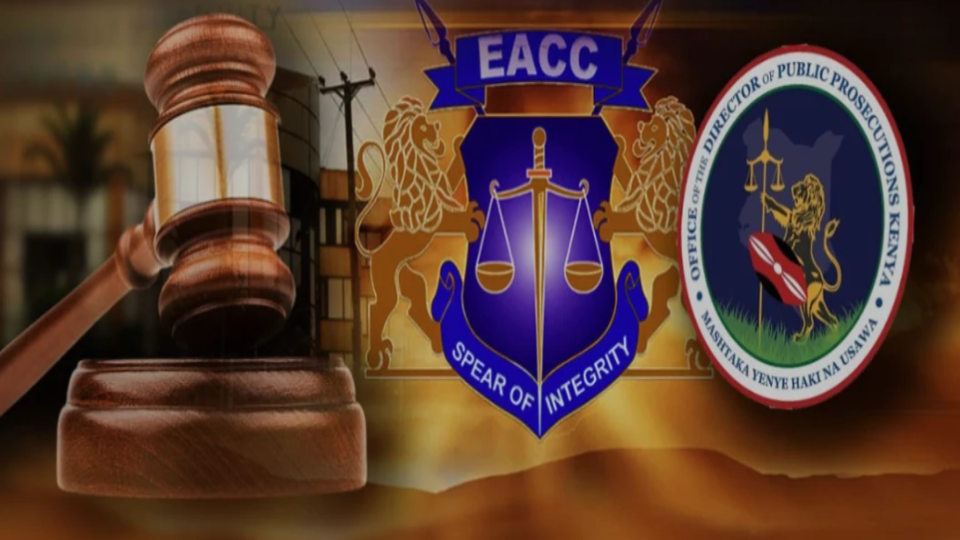
EACC Challenges ODPP’s Move to Halt Sh32 Million Graft Probe Against University of Nairobi Executive
Nairobi, Kenya - In a heated courtroom exchange that underscores deepening tensions within Kenya's anti-corruption framework, the Ethics and Anti-Corruption Commission (EACC) has firmly rejected the Office of the Director of Public Prosecutions (ODPP) push to abandon a high-profile graft case involving a senior University of Nairobi (UoN) official. The dispute centers on allegations that Daniel Brian Ouma Okeyo, a former top administrator at the institution, pocketed more than Sh32 million in salaries and perks through forged documents and unqualified appointments over a decade-long span.
The case, which has simmered since an initial EACC probe years ago, alleges that Okeyo engaged in systematic fraud to climb the ranks at UoN, one of East Africa's premier public universities. From 2015 to as recently as 2025, Okeyo purportedly held prestigious roles including Deputy Director for Fundraising, Director of University Advancement, and Acting Chief Operations Officer. Investigators claim he lacked the necessary academic credentials for these positions and resorted to fabricating certificates to secure them, thereby unlawfully drawing public funds earmarked for legitimate operations.
The EACC's investigation, triggered by red flags surrounding Okeyo's abrupt elevation to Acting Chief Operations Officer, peeled back layers of deceit. Documents reviewed during the probe revealed inconsistencies in his qualifications, painting a picture of deliberate misrepresentation that allowed him to siphon off substantial taxpayer money. Charged with multiple counts of forgery and unlawful acquisition of public funds, Okeyo's case represents a stark example of how vulnerabilities in institutional hiring can drain national resources, with the total haul exceeding Sh32 million in undeclared earnings.
Legal maneuvers have kept the proceedings in limbo. On July 9, Okeyo obtained conservatory orders from both the High Court and the Labour Court, effectively freezing the criminal trial pending resolution of related petitions. These safeguards, which remain in force, were granted to allow Okeyo to challenge the foundations of the charges, including claims of procedural irregularities in his dismissal and the ongoing prosecution. The EACC and ODPP, as key parties to these petitions, find themselves entangled in a web of overlapping judicial reviews that could reshape the entire narrative.
Tensions boiled over during a recent mention before the Anti-Corruption Court on Tuesday. State prosecutors from the ODPP, led by their representatives, signaled their intent to withdraw the case entirely, arguing that internal discussions were addressing lingering issues. They maintained that the move would only proceed once the High Court and Labour Court petitions conclude, potentially paving the way for a clean slate. This stance, however, drew immediate fire from the EACC, whose counsel countered that such a step would flout existing court directives. The conservatory orders, they emphasized, prohibit any advancement in the criminal matter until the superior courts weigh in, ensuring that no shortcuts undermine the integrity of the process.
The presiding magistrate, acknowledging the gravity of the impasse, deferred a final ruling on the withdrawal application to October 30. This upcoming decision looms large, as it could either revive the stalled prosecution or mark the end of a probe that has already consumed significant public resources. For the EACC, the opposition stems from a broader commitment to accountability; dropping the case prematurely, they argue, risks eroding public trust in anti-graft efforts and setting a dangerous precedent for influential figures accused of similar misconduct.
Okeyo's tenure at UoN, a cornerstone of higher education in Kenya, highlights systemic gaps in vetting processes for public sector roles. His alleged ascent through forged credentials not only allegedly enriched him personally but also diverted funds that could have supported academic programs, student services, or infrastructure upgrades at the cash-strapped university. As the October 30 hearing approaches, stakeholders from civil society to government watchdogs are urging all parties to prioritize transparency, warning that any resolution must reinforce the rule of law over expediency.
This unfolding saga serves as a reminder of the perennial battle against corruption in public institutions, where individual ambition can clash with collective welfare. With the Anti-Corruption Court poised to intervene, the fate of the Sh32 million graft allegations hangs in the balance, testing the resolve of Kenya's justice system to deliver verdicts unswayed by procedural detours.