

Pressure Mounts on President Ruto to Recall Draconian Cyber Crime Law After Renewed Calls for Protests
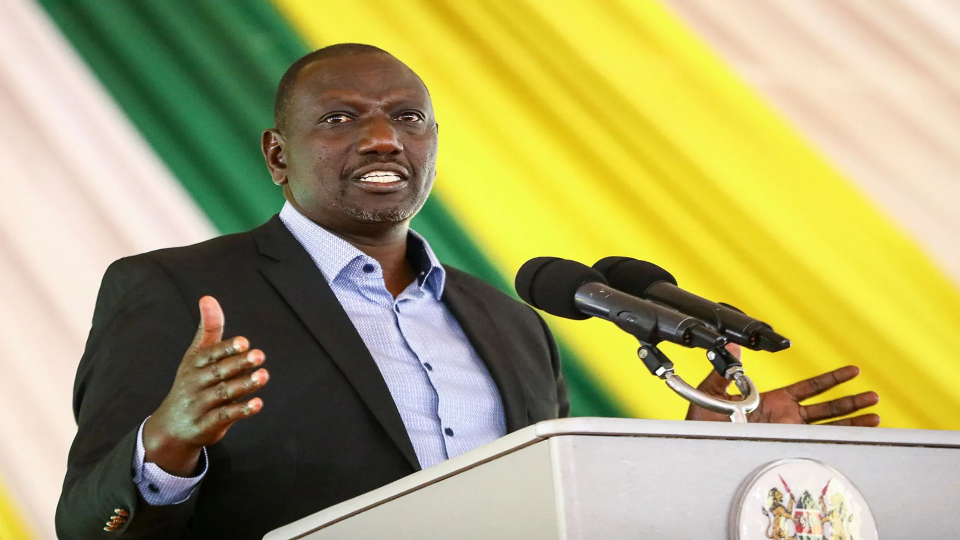
Pressure is mounting on President William Ruto to withdraw the controversial Computer Misuse and Cybercrimes (Amendment) Act 2024. He signed this law on the same day that former Prime Minister Raila Odinga died. The legislation has sparked widespread outrage among critics who argue it could silence dissent and undermine digital freedoms in Kenya.
Lawyer Miguna Miguna has challenged President Ruto to repeal the law. He accuses the administration of exploiting the national mourning over Raila Odinga's death to enact restrictive measures. This debate has grown more intense, leading to renewed calls for mass anti-government demonstrations. Civil society organizations, including Amnesty International Kenya, have urged the government to revisit or recall the law. They cite the 2010 Kenyan Constitution, which guarantees freedom of expression and access to information.
Debate Over Cyber Crime Law Deepens in Kenya

Miguna Miguna reignited public outrage on October 20 by questioning whether President Ruto would recall the Cyber Crime Law, which many Kenyans view as repressive. Miguna accused the government of using the grief surrounding Raila Odinga's death to pass laws that undermine democracy and online freedom.
In a post on X, Miguna stated: Will William Ruto recall the Cyber Crime Act and other offensive legislation he hurriedly signed before announcing Raila Odinga’s death, or does he want to force Kenyans back to the streets?
His remarks echo the growing anger among Kenyans, civil rights activists, and opposition figures. They see the law's timing and content as an attempt to stifle dissent. Observers note that Ruto signed eight bills that day, including the Privatisation Bill (2025) and the National Police Service Commission (Amendment) Bill (2024). Both have raised concerns over government overreach and transparency.
Provisions Raising Alarm Over Freedom of Expression
Critics argue that the law grants sweeping powers to monitor, censor, or shut down online activity, going beyond addressing digital crime. Certain sections allow authorities to block websites, remove content, or suspend apps deemed to promote illegal activities or cause fear or violence. These definitions are vague and open to abuse.
Such wording could criminalize investigative journalism, whistleblowing, or satire targeting officials. A Nairobi-based digital rights expert commented: Words like grossly offensive or extremist practices are too broad. They can be used against bloggers, journalists, or anyone criticizing those in power.
Penalties for cyber harassment, defined as communication likely to cause emotional or reputational harm, include a fine of up to Ksh20 million or a 10-year prison sentence, or both. Analysts warn that these punishments are excessive and could suppress criticism, fostering an online environment of fear.
Law Signed Amid National Grief
The signing of the law happened hours before Ruto confirmed Raila Odinga’s death, diverting public attention amid national grief. Many viewed this as an effort to bury controversial decisions under the emotional weight of Odinga’s passing.
Raila Odinga, aged 80, died of cardiac arrest in India while seeking treatment. His death prompted seven days of national mourning and a state funeral. The public viewing at Kasarani Stadium turned chaotic, with police firing tear gas and live rounds. Several injuries were reported, and Miguna questioned deaths during the stampede.
In an online post, Miguna asked: Who will be held accountable for those deaths? He linked the incident to government failure in planning during the mourning period.
Raila was buried on October 19 at his Kang’o ka Jaramogi home in Siaya, next to his father’s mausoleum. The ceremony was attended by local and international dignitaries.
Rising Tension and Fear of Renewed Protests
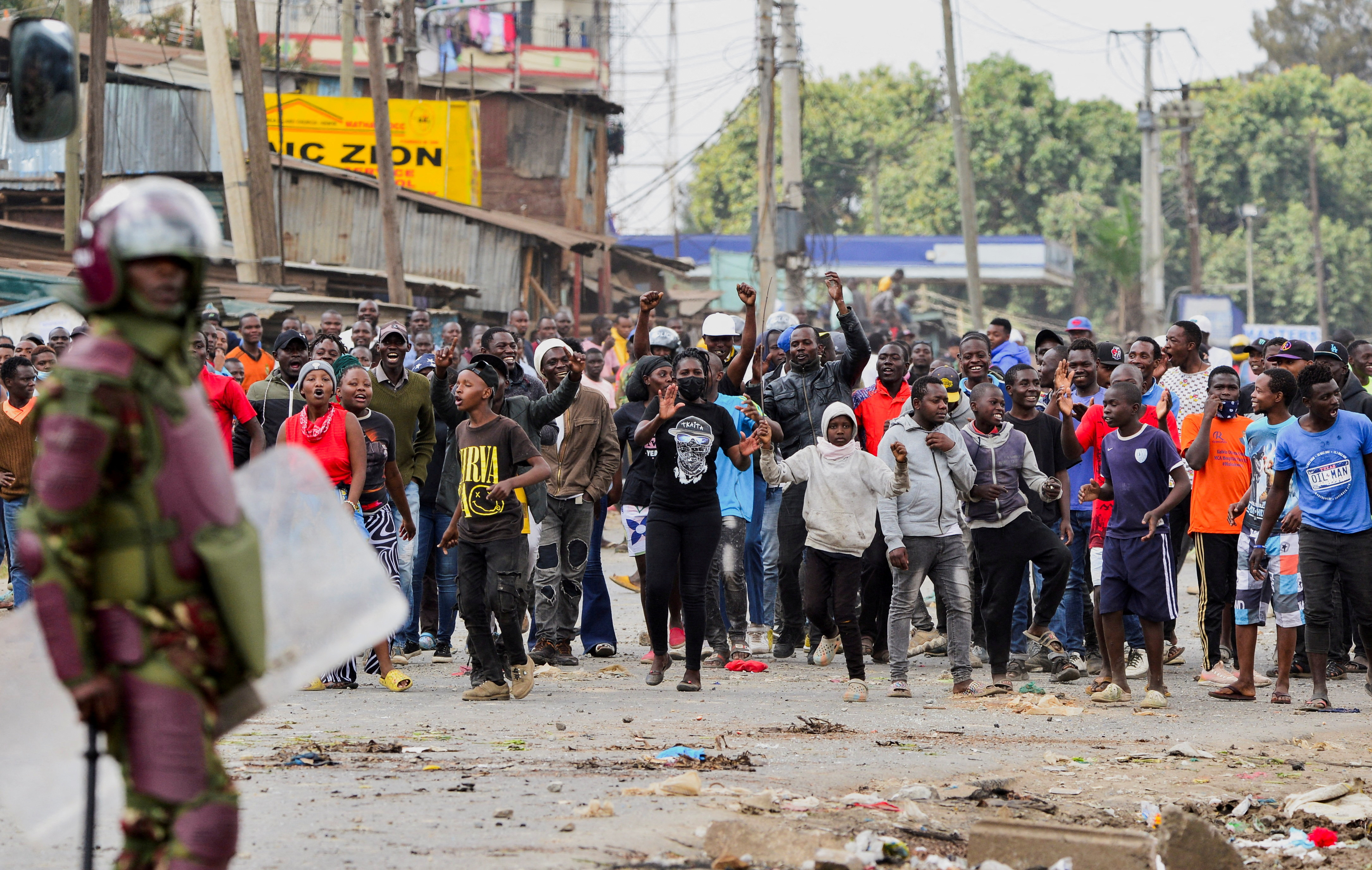
The law revives memories of the 2023 and 2024 anti-government protests. Opposition leaders warn that it could rekindle street demonstrations if digital freedoms are threatened. Civil society groups, including Amnesty International Kenya, have reiterated calls to revisit or recall the law, emphasizing constitutional rights.
The government defends the legislation as necessary protection from cyber threats, fraud, and harassment. However, analysts see potential political costs. President Ruto faces a critical choice: stand firm and risk protests, or recall the law and appear to bow to pressure.
This law stands as one of the most divisive in his presidency, testing his commitment to democracy, transparency, and digital freedom.