

Breakthrough in Paris: Two Suspects Nabbed in Daring Louvre Jewel Heist
PARIS – Authorities have apprehended two men linked to the audacious robbery of priceless jewels from the Louvre Museum. The arrests, announced late Saturday, mark the first major breakthrough exactly one week after the brazen daytime theft that stunned the art world and exposed vulnerabilities in the security of the globe's most iconic cultural treasure trove.
The suspects, both in their 30s and hailing from the gritty Seine-Saint-Denis suburb just north of Paris, were taken into custody in the evening hours near the capital. One of the men was intercepted at the eleventh hour, moments before he could slip away on a flight bound for Algeria from Charles de Gaulle International Airport. Known to law enforcement through prior encounters, the pair now faces intense scrutiny as investigators work to unravel their roles in the heist. Paris Prosecutor Laure Beccuau confirmed the detentions, underscoring the operation's success while voicing sharp irritation over premature leaks about the captures. Such disclosures, she noted, risk jeopardizing the broader probe, which has mobilized approximately 100 dedicated officers laser-focused on reclaiming the pilfered gems and unmasking any remaining accomplices.
The robbery itself unfolded like a scene from a blockbuster thriller on October 19, 2025, in the heart of the Louvre's sprawling galleries. As the museum buzzed with its typical midday crowd—part of the 8.7 million visitors who flocked there the previous year—four hooded figures made their move. Scaling the structure with the aid of a rented crane, the thieves shattered an upstairs window to gain entry, bypassing initial layers of protection in a matter of minutes. Once inside, they targeted a secure display case housing some of France's most revered royal heirlooms, making off with eight exquisite pieces collectively valued at around $102 million. The haul featured delicate items from the early 19th century, including a tiara and an earring once owned by Queen Marie-Amélie and Queen Hortense, evoking the opulent courts of Napoleonic France.
In their frantic escape, the perpetrators zipped away on motorbikes, but not without leaving a costly clue behind. The crown of Empress Eugénie—Napoleon III's wife, a glittering masterpiece crafted from gold, emeralds, and diamonds—tumbled from their grasp and was later discovered damaged on the streets just outside the museum. To date, none of the other stolen jewels have surfaced, fueling concerns that they may have already crossed borders or been dismantled for the black market. The incident prompted an immediate lockdown of the Louvre, which reopened swiftly to minimize disruption but under heightened security protocols, including bolstered surveillance and restricted access to sensitive exhibits.
France's Interior Minister Laurent Nunez hailed the arrests as a testament to the relentless efforts of the investigative team, sharing a brief message of commendation on social media amid mounting public demands for accountability. The heist has ignited a national conversation about safeguarding cultural patrimony, particularly in an era of sophisticated criminal networks exploiting urban proximity to landmarks. Critics have pointed to lapses in perimeter defenses and real-time monitoring, prompting vows from museum officials to overhaul protocols without compromising the site's welcoming atmosphere.
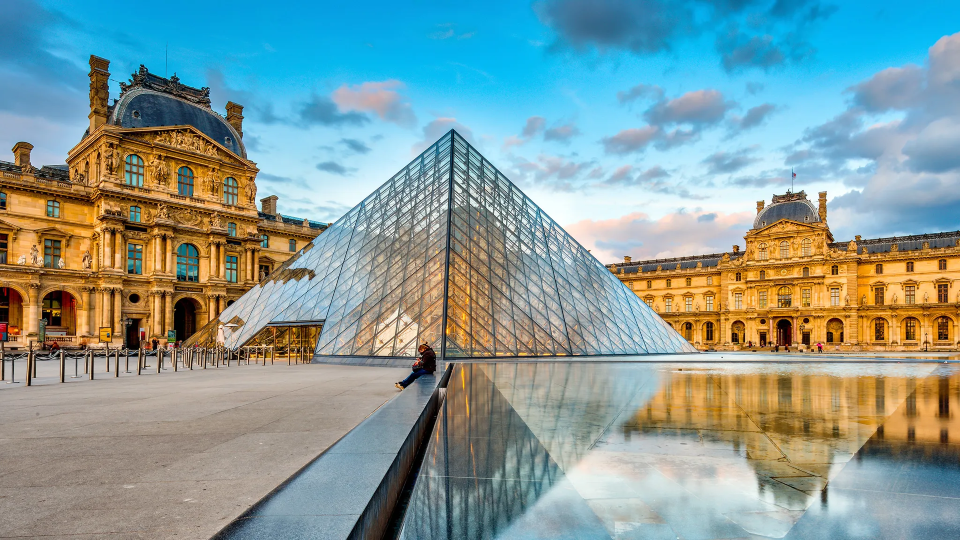
The Louvre itself stands as a monument to endurance and elegance, its origins tracing back to the late 12th century as a fortress and royal residence for French monarchs until Louis XIV decamped to Versailles in the 17th century. Transformed into a public museum in 1793 amid the revolutionary fervor, it now safeguards an unparalleled collection that draws crowds from every corner of the globe. Masterpieces like the enigmatic Mona Lisa and the timeless Venus de Milo draw millions annually, but this week's events serve as a stark reminder that even the most fortified bastions of beauty remain vulnerable to human ingenuity—and audacity.
As the probe presses forward, questions linger about the full scope of the operation: Were these arrested men the masterminds, mere foot soldiers, or something in between? Investigators remain tight-lipped, prioritizing the recovery of the artifacts over public disclosures. For now, the streets of Paris breathe a tentative sigh of relief, but the shadow of the unsolved theft looms large, a glittering void in the City of Light's storied legacy. Updates are expected as interrogations yield more leads in this unfolding saga of crime and conservation.