

Kenya Strikes Historic Deal with Russia to Repatriate Citizens Trapped in Ukraine Conflict
NAIROBI - In a major diplomatic breakthrough, the Kenyan government has finalized an agreement with Russia to secure the immediate release and repatriation of Kenyan nationals who were lured into fighting on the front lines of the Ukraine war. The deal, reached after months of intensive negotiations, marks a critical step in safeguarding the welfare of Kenyans caught in the crossfire of global conflicts, amid growing concerns over exploitative recruitment practices targeting vulnerable Africans.
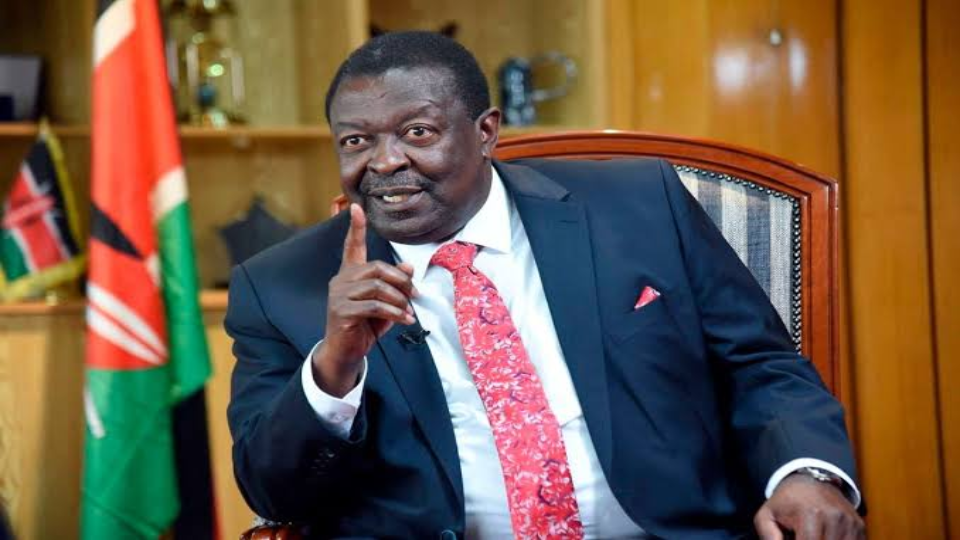
Prime Cabinet Secretary Musalia Mudavadi announced the agreement during a press briefing in Nairobi on Thursday, December 4, 2025. He described the outcome as a testament to Kenya's commitment to protecting its citizens abroad, regardless of the circumstances that led them into peril. "This agreement ensures that no Kenyan will be left behind in this ordeal," Mudavadi emphasized, highlighting the collaborative efforts between Nairobi and Moscow to uphold human rights and consular protections.
Under the terms of the pact, Russia has committed to releasing all Kenyans being held against their will in military camps or detention facilities, with transfers to the Kenyan Embassy in Moscow to commence with immediate effect. The Kenyan diplomatic mission in the Russian capital has already played a pivotal role in this process, having rescued several individuals and processed their travel documents for safe return home. Embassy officials are now conducting a comprehensive audit to pinpoint the exact number of affected citizens still in custody, a task complicated by the chaotic nature of the recruitment networks involved.
Mudavadi issued a stern advisory to Kenyans contemplating travel to Russia or the broader region, urging them to register promptly with the embassy upon arrival. "Exercise your right to consular services without hesitation," he advised. "Our team remains vigilant, maintaining constant communication with those still in captivity and offering full support to anyone who escapes independently." This proactive stance underscores Kenya's broader strategy to prevent future incidents, including enhanced public awareness campaigns about the risks of overseas job offers.
The crisis traces its roots to deceptive schemes orchestrated by recruitment agents and firms across Africa, who prey on economic desperation by promising lucrative employment opportunities in Russia. Job seekers, often from low-income backgrounds, are enticed with visions of stable, high-paying roles only to find themselves stripped of passports, confined in remote training camps, and thrust into the brutal realities of combat. Reports indicate that more than 1,000 individuals from at least 36 countries have fallen victim to these tactics, swelling the ranks of Russia's forces in the ongoing invasion of Ukraine.
Last month, Ukraine's Minister of Foreign Affairs, Andrii Sybiha, shed stark light on the scale of the problem in a public statement. He revealed that Ukrainian intelligence has identified at least 1,436 fighters from 36 African nations embedded in the Russian military, a figure he cautioned may underestimate the true extent due to incomplete data. Sybiha detailed the insidious recruitment methods at play: some recruits are bribed with cash incentives, while others are misled into signing vague contracts or coerced through threats and isolation. "Signing a contract is equivalent to signing a death sentence," Sybiha warned. "Foreign citizens in the Russian army face a sad fate. Most of them are immediately sent to the so-called 'meat assaults,' where they are quickly killed."
The Ukrainian diplomat painted a grim picture of the mercenaries' treatment, describing them as "second-rate, expendable human material" in the eyes of Russian commanders, who exploit the lack of international accountability for foreign casualties. Survival rates are dismal, with the majority perishing within the first month of deployment. In a direct appeal to African leaders, Sybiha called for unified public warnings to deter citizens from these deadly traps, emphasizing that such statements could disrupt the recruitment pipelines feeding the conflict.
Kenya's deal arrives against a backdrop of similar scandals rippling across the continent. In South Africa, authorities recently filed charges against five individuals, including a prominent radio presenter, for their roles in a sophisticated operation that funneled men into the Russian military. These cases highlight the transnational web of deceit, where local influencers and shadowy agencies collaborate to exploit unemployment and poverty for profit.
As the first wave of repatriations begins, Kenyan officials are preparing to provide comprehensive reintegration support for returnees, including medical care, psychological counseling, and job placement assistance. Mudavadi reiterated the government's zero-tolerance policy toward human trafficking and false job promises, vowing to pursue legal action against any Kenyan-based recruiters complicit in these schemes.
This agreement not only rescues those ensnared in the Ukraine quagmire but also signals a stronger diplomatic posture for Kenya on the international stage. With Russia's war showing no signs of abating, the deal serves as a lifeline for families back home, who have endured months of anguish without word from their loved ones. For now, hope flickers brighter in Nairobi, as the nation works to bring its sons and daughters home from the shadows of a distant battlefield.