

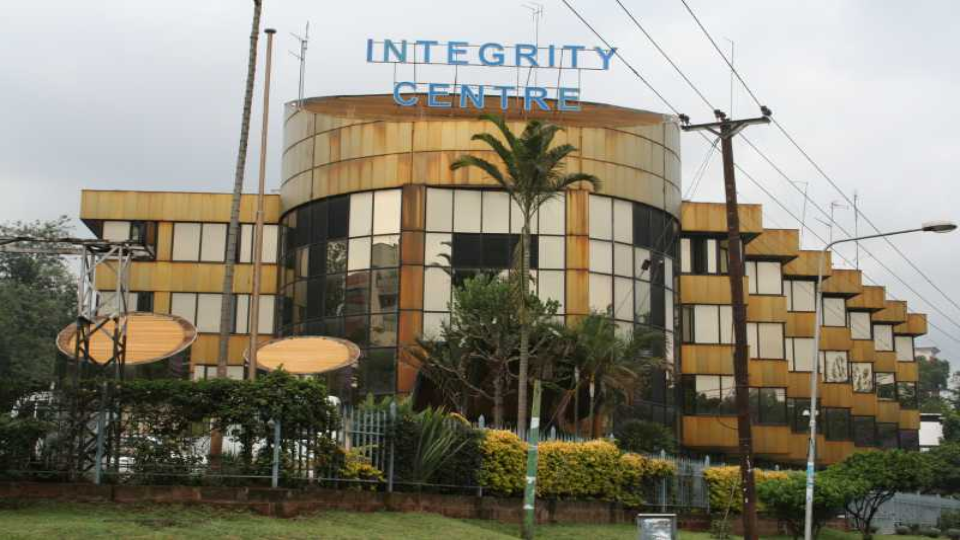
EACC Ramps Up Fight Against Money Laundering to Secure Kenya’s Exit from FATF Grey List
Nairobi - The Ethics and Anti-Corruption Commission (EACC) has issued a strong directive to accelerate investigations into money laundering cases, aiming to address critical gaps that landed Kenya on the Financial Action Task Force (FATF) grey list earlier this year. This push comes as the commission launched its 2024/2025 annual report, outlining a comprehensive strategy to bolster anti-money laundering and counter-terrorist financing measures, while highlighting record-breaking achievements in asset recovery and corruption prosecutions.
Kenya was placed on the FATF grey list in February 2024 due to identified strategic deficiencies in its systems for combating money laundering and terrorist financing. The grey listing imposes enhanced due diligence on financial transactions involving the country, potentially deterring foreign investment and increasing compliance costs for Kenyan businesses. With the current fiscal year 2025/2026 marking a pivotal implementation cycle, EACC leadership emphasized the urgency of swift action to meet international standards and pave the way for delisting.
EACC Chief Executive Officer Abdi Mohamud, speaking at the report launch event in Nairobi, underscored the commission's renewed focus on these issues. He directed all relevant directorates to prioritize and fast-track probes based on intelligence leads related to money laundering, classifying such activities under the broader category of economic crimes. Money laundering now accounts for a significant 21 percent of reported offences in the fiscal year, alongside bribery at 37 percent and embezzlement of public funds at 19 percent. Mohamud noted that this heightened responsibility on the EACC aligns with national calls to strengthen anti-money laundering and counter-terrorist financing interventions, ensuring Kenya regains its standing in global financial compliance.
Beyond immediate investigative efforts, the EACC's strategy encompasses a multifaceted approach to root out corruption and illicit financial flows. The commission filed a record 79 new recovery suits targeting corruptly acquired assets valued at approximately Sh4.8 billion, marking the highest number of such cases in the past five years. Through these initiatives, EACC successfully recovered assets worth Sh3.4 billion, a notable increase from the Sh2.9 billion retrieved in the previous fiscal year. This demonstrates a tangible uptick in the effectiveness of asset recovery operations, with preserved assets totaling Sh2.685 billion during the period.
Prosecution outcomes also showed marked improvement, with 54 corruption cases finalized in court, up from 45 the year prior. Convictions rose sharply from 12 to 33, though the report acknowledged 15 acquittals and six withdrawals. Overall, 213 corruption cases remain before the courts, while the EACC forwarded 175 investigation files to the Office of the Director of Public Prosecutions for further action. Active investigations encompass 838 cases of corruption and economic crimes, reflecting a robust pipeline of enforcement activities.
Prevention and integrity measures formed another cornerstone of the report's highlights. The commission conducted 166 integrity tests, averting potential public losses estimated at Sh16.5 billion, the highest figure in recent years. These tests traced 27 assets valued at Sh22.9 billion. Additionally, EACC issued 134 advisories to public entities, processed 33,973 self-declaration forms from officials, and carried out 2,783 integrity verifications. In one telling outcome, 50 applicants were denied clearance following these checks, safeguarding key positions from undue influence.
Public engagement and capacity building efforts reached unprecedented scales. The EACC sensitized 93,000 citizens through community and market outreach programs, while extending anti-corruption education to 128,010 learners across 742 institutions in 23 counties. Training initiatives included sessions for 349 members of Corruption Prevention Committees and regional workshops for 349 state officials, including Members of Parliament, intelligence officers, and infrastructure managers, on ethics, leadership, and governance.
Major systems audits targeted high-profile institutions, revealing vulnerabilities that demand urgent reforms. Examinations of the Kenya Power and Lighting Company (KPLC), the National Social Security Fund (NSSF), the National Police Service, and the Kenya Prisons Service exposed weaknesses in procurement processes, governance structures, service delivery, and internal controls. These findings will inform targeted interventions to enhance transparency and accountability in these sectors.
EACC Chairperson David Oginde joined Mohamud in calling for sustained momentum across all directorates, from investigations to public outreach. The report positions these accomplishments as building blocks toward a corruption-free Kenya, with money laundering eradication at the forefront to resolve FATF concerns. As the commission eyes the 2025/2026 cycle, stakeholders anticipate that these accelerated efforts could expedite Kenya's removal from the grey list, restoring confidence in the nation's financial ecosystem and unlocking economic opportunities.
The full EACC 2024/2025 annual report is available on the commission's website, providing detailed breakdowns of these initiatives and future roadmaps.