

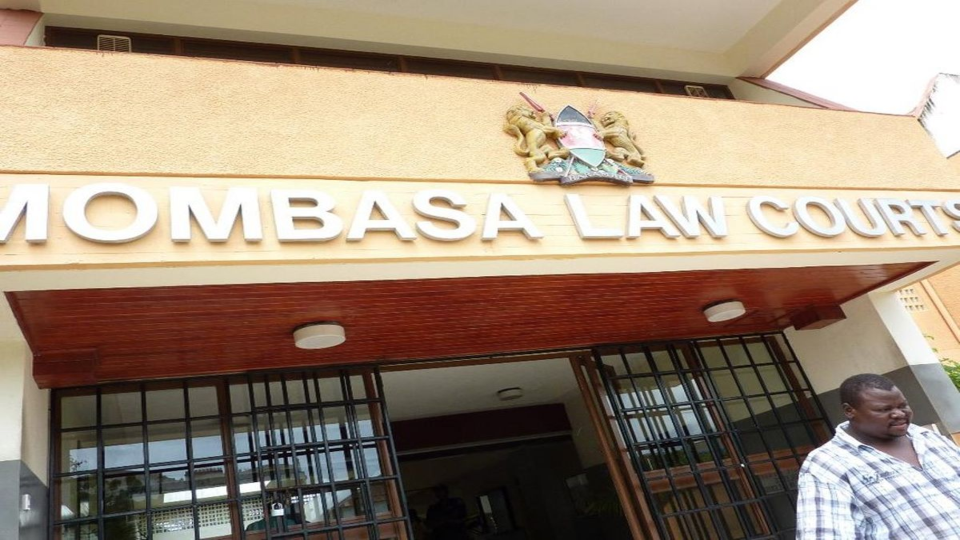
High Court Mandates Sh24 Billion Payout to Investors Over Stalled Kwale Sugar Project
Mombasa - The High Court in Mombasa has directed the Kenyan government to pay nearly Sh24 billion in compensation to Kwale International Sugar Company Limited. The award stems from the state's failure to honor a 2007 land lease agreement that derailed a ambitious $300 million sugar production initiative in Kwale County, leaving the project in limbo for over a decade.
The dispute centers on a sprawling 15,000-acre concession in the coastal region, intended to host one of East Africa's largest sugar plantations and processing facilities. Backed by an initial investment equivalent to Sh38.8 billion, the venture promised to transform the local economy through job creation, agricultural development, and enhanced sugar self-sufficiency for Kenya. The project was spearheaded by a consortium comprising Mauritius-based Omnicane Limited and the local Pabari Group, who secured the lease with explicit government guarantees for undisturbed possession and operational freedom.
Trouble emerged almost immediately after the agreement took effect. Local communities, citing longstanding ancestral rights to the land, began occupying substantial portions of the site, effectively barricading access and halting preparatory work. These incursions rendered nearly half of the leased area inaccessible, preventing the planting of sugarcane and the construction of essential milling infrastructure. Despite repeated legal efforts by the investors to affirm their title through court declarations, the government proved unable or unwilling to enforce evictions or restore full control to Kwale International Sugar Company Limited.
Compounding the issue, the state later allocated around 2,500 acres of the concession to Base Titanium, a mining operation, without offering any form of compensation or equivalent alternative land to the sugar developers. This carve-out, combined with persistent administrative delays and what the court later described as systemic obstruction, snowballed into financial catastrophe for the investors. Debt restructurings became necessary as the project stalled indefinitely, ultimately leading to its complete abandonment and wiping out the potential for thousands of jobs and millions in annual revenue.
The legal battle, which dragged on for 13 grueling years, culminated in a detailed judgment delivered by Justice Florence Wangari. Presiding over the High Court in Mombasa, she meticulously dissected the government's defenses, which included claims of fulfilled obligations and assertions that the lawsuit had been filed beyond statutory time limits. Justice Wangari dismissed both arguments outright, ruling that the state's actions constituted a fundamental and irreparable breach of contract. The inaction not only violated the core assurances of the 2007 deal but also exposed a pattern of neglect that undermined investor confidence in Kenya's business environment.
Under the terms of the ruling, the government must now disburse approximately Sh24 billion, or roughly $186 million at current exchange rates, to cover the investors' losses. This principal amount will accrue interest from the date of the breach, and the state has also been ordered to foot the full legal costs incurred by Kwale International Sugar Company Limited. Court officials anticipate that the final tally, once interest calculations are finalized, could climb even higher, marking one of the largest single payouts ever mandated against the Kenyan government in a commercial dispute.
This decision arrives at a pivotal moment for Kenya's investment landscape, where ambitious infrastructure and agricultural projects often clash with competing interests in land use and community rights. The Kwale saga underscores the vulnerabilities in deals involving historically contested territories, particularly along the Coast where mining, tourism, and farming ambitions frequently overlap. For the government, the financial sting could strain public coffers already stretched by debt servicing and development priorities, while serving as a stark reminder of the perils of unenforced contracts.
On the investor side, the verdict offers a measure of vindication after years of frustration, potentially paving the way for recovery and lessons learned. It may also embolden similar claims from other stalled ventures, signaling to future partners that Kenya's courts are willing to hold the state accountable with substantial penalties. As the nation pushes to attract more foreign direct investment amid economic recovery efforts, this case highlights the urgent need for streamlined dispute resolution and proactive safeguards against such breaches.
With the ruling now in effect, attention turns to enforcement. The government has 30 days to comply, though appeals remain a possibility. For now, the echoes of this coastal courtroom drama resonate far beyond Kwale, reshaping perceptions of risk and reliability in Kenya's quest for sustainable growth.