

Venezuela Crisis Deepens: Maduro Set for U.S. Court Appearance as Trump Warns of Further Military Action
Former Venezuelan President Nicolás Maduro and his wife, Cilia Flores, are scheduled to make their initial court appearance in federal court in Manhattan on Monday. The couple was captured during a large-scale U.S. military operation in Caracas over the weekend and flown to New York, where they are being held at the Metropolitan Detention Center in Brooklyn.
Maduro faces longstanding federal charges in the Southern District of New York, including narco-terrorism conspiracy, cocaine importation conspiracy, and possession of machine guns and destructive devices. Flores is also indicted on related drug trafficking charges. The operation, which involved airstrikes on military targets and a special forces raid, marked a bold U.S. intervention aimed at addressing alleged drug trafficking and corruption tied to the Venezuelan leadership.
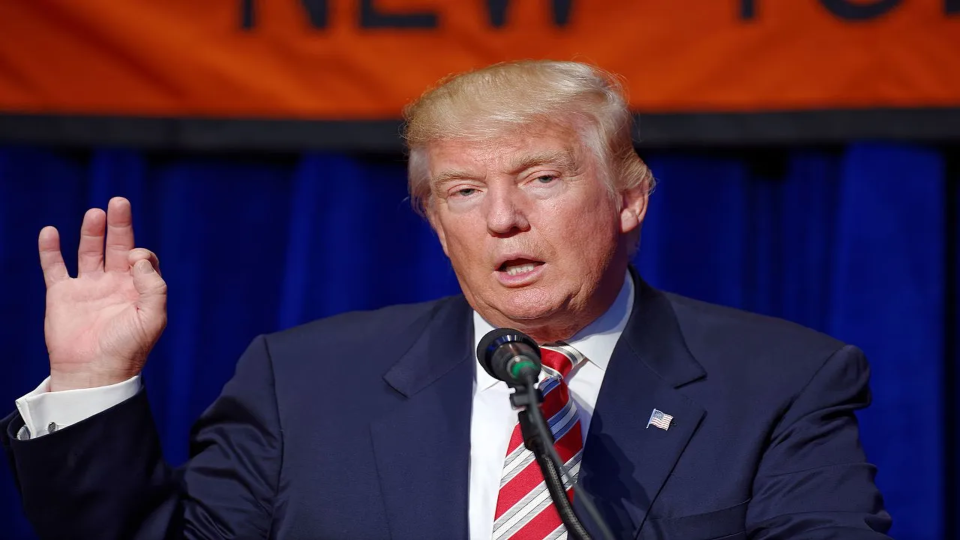
President Donald Trump, speaking to reporters aboard Air Force One on Sunday, emphasized U.S. intentions to influence Venezuela's future. He stated that the United States is currently in charge of the country and plans to manage its affairs temporarily, with a focus on revitalizing the oil industry and curbing drug flows. Trump highlighted Venezuela's vast oil reserves as a key asset that could be opened to greater production and international sales.
However, Trump left open the possibility of additional military strikes if Venezuela's interim leadership does not cooperate fully. Vice President Delcy Rodríguez, who has assumed interim presidential duties with backing from Venezuela's supreme court and armed forces, has faced direct warnings from Trump. He indicated that failure to align with U.S. objectives could result in severe consequences for her administration.
The situation in Caracas remains tense, with streets relatively quiet amid widespread uncertainty. Pro-Maduro militias have mobilized in some areas, vowing readiness to defend against further incursions, while the armed forces have pledged loyalty to Rodríguez. Reports of casualties from the weekend strikes vary, including military personnel, civilians, and foreign advisors.
Trump's comments extended beyond Venezuela, as he suggested potential military operations in neighboring countries struggling with drug trafficking issues, including Colombia and Mexico. He described Colombia as plagued by similar problems and noted that Cuba's regime appears weakened without Venezuelan support.
International reactions have been mixed, with some regional leaders expressing alarm over the precedent set by the U.S. action, while others have remained cautious. The operation follows months of escalating U.S. pressure, including strikes on suspected drug vessels and sanctions targeting Venezuelan oil exports.
As Maduro prepares for his arraignment before U.S. District Judge Alvin K. Hellerstein at noon on Monday, the unfolding events raise significant questions about Venezuela's political transition, regional stability, and the long-term implications of U.S. involvement in the oil-rich nation. Developments are expected to evolve rapidly in the coming days.