

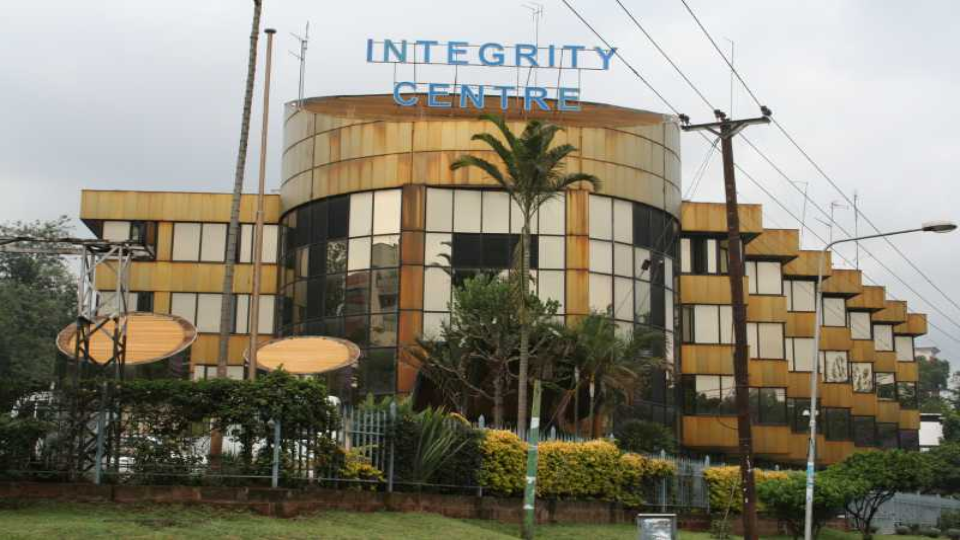
EACC Pushes for Sweeping Reforms to Accelerate Anti-Graft Fight Through New Legislation
NAIROBI – In a bold move to dismantle the barriers slowing down corruption prosecutions, the Ethics and Anti-Corruption Commission has unveiled a comprehensive legislative proposal aimed at supercharging its investigative arsenal and streamlining judicial timelines. The Anti-Corruption Laws (Amendment) Bill, 2025, represents a targeted overhaul designed to close loopholes that have long shielded graft perpetrators, particularly those leveraging digital financial channels for illicit gains.
At the heart of the bill lies a radical push to compress the often-protracted timelines for corruption trials and appeals. Under the proposed measures, all such cases would be capped at a strict six-month resolution window, forcing courts to prioritize these matters and minimize opportunities for delays that have historically allowed suspects to evade justice. This timeline mandate is expected to transform the judicial landscape, where backlogs have frustrated anti-corruption drives for years, by imposing accountability on the entire legal ecosystem from investigation to final verdict.
A cornerstone of the reforms targets the shadowy underbelly of mobile money transactions, which have emerged as a favored conduit for laundering corrupt proceeds. The EACC is seeking unfettered access to transaction records and user data from mobile money platforms and other non-bank financial institutions. This expanded investigative authority would empower the commission to trace suspicious flows in real time, disrupting schemes that exploit the speed and anonymity of digital wallets to siphon public funds. By bridging this critical gap, the bill aims to fortify defenses against money laundering, aligning Kenya's efforts with global standards to expedite removal from the Financial Action Task Force's Grey List.
The legislation goes further by introducing stringent post-conviction penalties to deter future malfeasance. Convicted individuals would face a decade-long prohibition from engaging in any public tenders or procurement processes, effectively barring them from the very systems they abused. Additionally, the bill criminalizes influence peddling, transforming what has often been a gray-area practice into a clear-cut offense with severe repercussions. To encourage fearless reporting, robust safeguards for whistleblowers are enshrined, including protections against retaliation and incentives for credible disclosures that expose graft networks.
These proposals emerged prominently during the launch of the EACC's 2024/2025 annual report, a document that paints a picture of incremental yet hard-won progress in Kenya's anti-corruption architecture. The report spotlights the Conflict-of-Interest Act as a pivotal tool, granting the commission sharper instruments to identify and neutralize potential conflicts before they metastasize into full-blown crimes. Complementing this is the Anti-Corruption Guiding Framework, rolled out through the National Council on the Administration of Justice, which has sharpened inter-agency collaboration and hastened case progression across law enforcement bodies.
Public procurement, a notorious hotspot for embezzlement, has seen notable improvements thanks to the rollout of the e-GP system. This digital platform has injected unprecedented transparency into tendering, slashing opportunities for collusion and kickbacks that once drained billions from state coffers. The commission's leadership has stressed that these foundational shifts in policy and law form the bedrock for sustained momentum, underscoring the need for an enabling environment where ethical governance is not just aspirational but enforceable.
Beyond legal tweaks, the EACC's strategy emphasizes multifaceted partnerships that amplify its reach. Collaborations with government departments, civil society organizations, private enterprises, media outlets, and international allies have yielded tangible boosts in intelligence sharing and resource pooling. A growing alarm has been raised over the proliferation of falsified academic and professional credentials, which erode meritocracy in public service. The commission tackled this head-on at the National Ethics and Integrity Conference, advocating for systemic verification protocols to restore trust in qualifications-driven appointments.
In a forward-looking bid to cultivate integrity from the ground up, the EACC has ramped up engagement with youth through integrity dialogues and targeted social media campaigns. These initiatives aim to embed anti-corruption values early, countering the normalization of graft among emerging leaders. Heightened oversight has also been directed at high-risk sectors, including the National Police Service, Kenya Power, the National Social Security Fund, and the Kenya Prisons Service, where vulnerability assessments have guided intensified monitoring and preventive interventions.
The commission's operational blueprint, as outlined in its Strategic Plan 2023–2028, charts a proactive course for the coming years. Priorities include vigilant surveillance of flagship government projects to preempt irregularities, aggressive campaigns against bribery at citizen service counters, and relentless pursuits to reclaim assets amassed through unexplained wealth. Joint operations with sister agencies will deepen, while public sensitization efforts expand, with a special focus on empowering young people and leveraging media for broader impact.
Amid these domestic strides, the EACC is doubling down on anti-money laundering and counter-terrorism financing fortifications, critical to shedding the FATF Grey List stigma. Faster investigative protocols for laundering probes are a key demand, building on recent accelerations fueled by high-level governmental backing, judicial efficiencies, and symbiotic ties with civil society and press watchdogs.
As Kenya grapples with the corrosive legacy of corruption, the proposed bill signals an unyielding commitment to reform. If passed, it could mark a watershed moment, equipping the EACC not just to chase shadows but to illuminate and eradicate them, fostering a governance model where public trust is rebuilt on the pillars of swift justice and unassailable integrity. Stakeholders across the spectrum are watching closely, as the true test will lie in the bill's swift enactment and rigorous implementation.