

Ethiopia Declares Nile River Rights Non-Negotiable, Rejects Egypt’s Colonial-Era Claims
Ethiopia has taken a resolute stand, declaring its right to utilize the Nile River as non-negotiable while firmly rejecting Egypt's attempts to curb its development through what it describes as outdated, colonial-era claims. The Ethiopian Ministry of Water and Energy issued a statement on Monday, addressing recent Egyptian remarks that framed small-scale initiatives, such as solar-powered wells and rainwater harvesting, as gestures of "African solidarity" toward Nile Basin countries. Ethiopia dismissed these claims as patronizing, arguing they reflect a narrow mindset that positions upstream nations as mere recipients of aid rather than equal partners in regional development.
The ministry emphasized Ethiopia's critical role in the Nile's ecosystem, noting that approximately 85 percent of the river's water originates from the Abbay River within its borders. It underscored that Ethiopia's development trajectory, particularly its utilization of the Nile for essential water needs, will not be derailed by external pressures or misleading narratives. The statement explicitly rejected Egypt's assertion of "historic rights" to the Nile, describing such claims as rooted in obsolete agreements that disregarded the interests of other riparian states. Ethiopia further criticized Egypt's unilateral water diversions and resource management practices, arguing they violate international law and principles of sustainable water use.
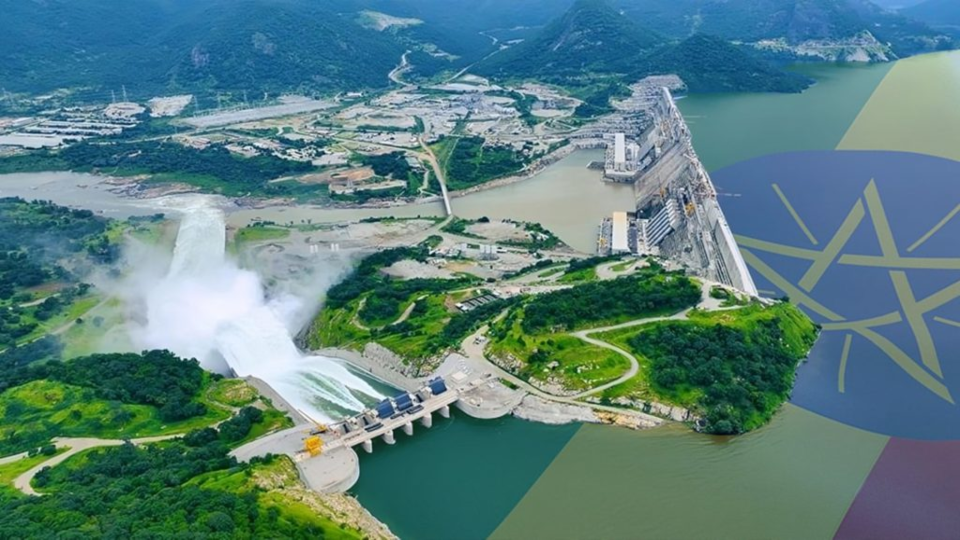
For decades, Ethiopia, alongside other Nile Basin countries, has advocated for cooperative solutions through frameworks like the Nile Basin Cooperative Framework Agreement, the only basin-wide treaty designed to govern equitable water use. However, the ministry accused Egypt of failing to negotiate in good faith, particularly regarding the first filling and operation of the Grand Ethiopian Renaissance Dam (GERD) and other discussions critical to regional water security. Ethiopia stressed that true water security for the region can only be achieved through fair and reasonable sharing of the Nile among all riparian states.
In contrast to Egypt's confrontational stance, which Ethiopia described as extreme, the ministry highlighted its strong coordination with Sudan on the GERD and other shared initiatives. It also emphasized the professional management of the GERD, drawing on Ethiopia's extensive experience in hydropower development. The statement pointed to Ethiopia's Green Legacy afforestation program as a positive example of water conservation efforts, suggesting it could serve as a model for Egypt to adopt.
Ethiopia reaffirmed its commitment to diplomacy and peaceful engagement, stating it has consistently chosen dialogue and friendly relations over confrontation. The ministry noted that Ethiopia has refrained from initiating diplomatic disputes or issuing provocative statements, instead calling for negotiations grounded in equality and mutual respect. The statement concluded with a call for renewed dialogue to foster cooperative and sustainable management of the Nile's resources, urging Egypt to move beyond colonial-era thinking and embrace a collaborative approach for the benefit of all Nile Basin nations.