

Kenyans Invited to Weigh In on Controversial Bill Expanding Diplomatic Immunities
Nairobi, Kenya - In a move to address mounting public concerns over the unchecked extension of diplomatic privileges, the Ministry of Foreign and Diaspora Affairs has launched a nationwide call for input on the draft Privileges and Immunities (Amendment) Bill, 2025. This initiative comes as President William Ruto's government faces sharp criticism for granting such protections to foreign nationals and private entities without sufficient legal backing, raising fears of potential abuse and undue foreign influence in domestic affairs.
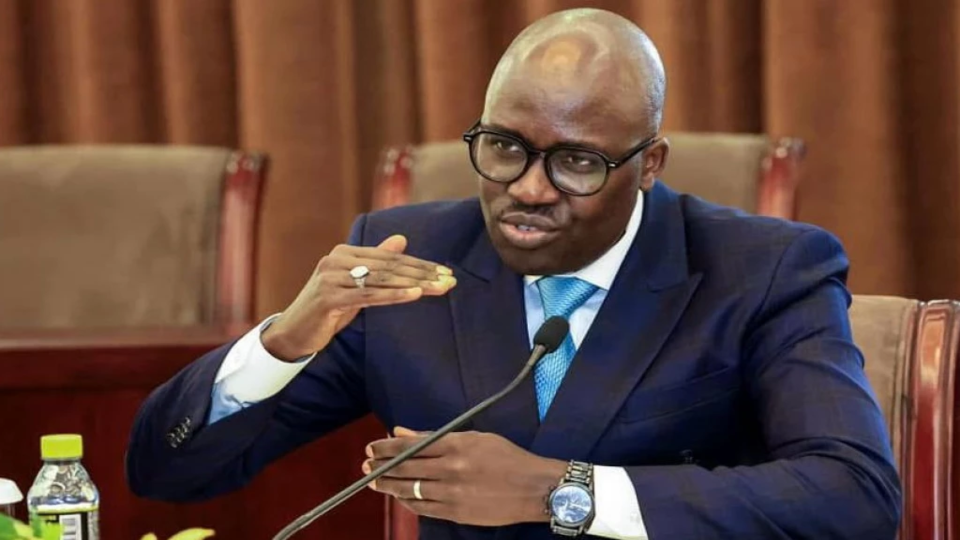
The public participation process, announced by Principal Secretary for Foreign Affairs Korir Sing'Oei, is grounded in Article 10 of the Kenyan Constitution, which emphasizes inclusivity and transparency in governance. Sing'Oei's notice urges citizens, civil society organizations, and representatives from the private sector to submit their views on the proposed legislation. Submissions must be received by November 21, 2025, providing a tight window for Kenyans to influence what could reshape the country's approach to international immunities.
To kick off the engagement, a virtual public forum has been scheduled for today, November 18, 2025. This online session aims to foster open dialogue, allowing participants to voice apprehensions and suggestions directly to ministry officials. The forum is part of a broader effort to democratize the legislative process, ensuring that the voices of ordinary Kenyans are not sidelined in decisions with far-reaching implications for national sovereignty.
At the heart of the controversy lies Kenya's evolving practice of liberally applying diplomatic immunities, a trend that experts argue strays from the original intent of these protections. Historically, such privileges were crafted for diplomats chosen from peer nations, with the expectation that they would uphold legal standards rather than exploit exemptions for personal or organizational gain. Analysts point out that the framers of these laws likely never envisioned their misuse in ways that could undermine local accountability or invite external meddling.
Recent host country agreements have intensified the scrutiny on the ministry. A particularly contentious case involves the Global Centre on Adaptation (GCA), an international body focused on climate resilience. The agreement granting GCA diplomatic-like privileges ignited widespread public backlash, with critics alleging it was driven by foreign political pressures rather than national interest. In response, Sing'Oei issued a firm statement in October 2025, dismissing these claims as baseless. He affirmed that the GCA deal adhered strictly to the existing Privileges and Immunities Act, which empowers the ministry to forge such pacts with intergovernmental organizations. According to Sing'Oei, every procedural step was followed meticulously, underscoring the legal validity of the arrangement.
This is not the first time the ministry has navigated such storms. Back in April 2025, plans to extend similar immunities to the Bill and Melinda Gates Foundation unraveled dramatically. The foundation abruptly pulled out of the proposed host country agreement amid fierce legal challenges and a surge of domestic opposition. The episode exposed deep-seated reservations about bestowing elite status on private or semi-public entities, particularly those wielding substantial global influence and resources. Public outcry highlighted risks of creating unaccountable enclaves within Kenya, where influential outsiders could operate with limited oversight, potentially skewing policy priorities toward international agendas over local needs.
The Gates Foundation debacle served as a stark reminder of the growing resistance to what many view as an overreach in diplomatic courtesy. Activists and legal scholars have long warned that without robust amendments, these practices could erode public trust and invite exploitation. The current bill seeks to address these gaps by clarifying the scope of immunities, tightening eligibility criteria, and introducing safeguards against arbitrary extensions. Proponents argue that targeted reforms could balance Kenya's international commitments with the imperative to protect national interests.
By opening the floor to public input, the Ruto administration signals a willingness to recalibrate its approach amid the backlash. Ministry officials describe the process as a pivotal step toward rebuilding confidence in how Kenya manages its diplomatic engagements. As the November 18 forum unfolds and submissions roll in over the next few days, all eyes will be on whether this engagement leads to meaningful changes or merely serves as a formality in a contentious policy landscape.
Kenyans are encouraged to participate actively, whether through written feedback or joining the virtual discussions, to shape a framework that safeguards the nation's autonomy while honoring global partnerships. The outcome of this consultation could set a precedent for future international agreements, ensuring they align with constitutional values and public expectations.