

Kenya’s New Mining Bill Proposes Direct Channeling of Royalties to Local Development Projects
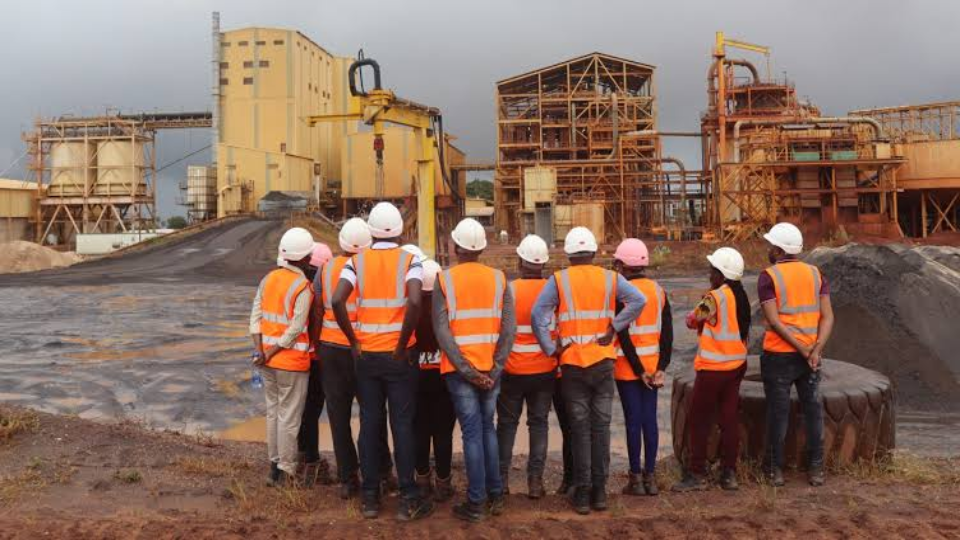
Communities living near mining sites in Kenya stand to gain more direct benefits from mineral resources following the introduction of the Mining (Amendment) Bill, 2025. The proposed legislation seeks to amend the existing Mining Act by establishing clear mechanisms to ensure that royalties flow quickly and transparently to county governments and affected communities for use in local development initiatives.
The Bill mandates that the National Treasury transfer royalties to the respective County Revenue Funds within 21 days of receiving a certified schedule from the Ministry of Mining. This measure aims to eliminate longstanding bureaucratic delays that have hindered the timely disbursement of funds to mining regions.
A key feature of the amendment prioritizes the community share of royalties, with 30 percent earmarked specifically for projects identified and selected by local residents. Community project identification committees, composed of representatives from the affected areas, will have the authority to determine how these funds are allocated. Possible uses include the construction and improvement of schools, health facilities, roads, water infrastructure, and other essential services that directly enhance living standards in mining host areas.
To promote accountability, the county executive committee member responsible for finance will oversee the funds and ensure they are used exclusively for the approved projects. This provision is designed to prevent mismanagement and guarantee that resources translate into tangible benefits on the ground.
In situations where a mining-affected community spans multiple counties, the Commission on Revenue Allocation will determine the appropriate distribution of funds across the involved counties.
The legislation also requires mining companies to notify relevant communities about expected royalties during the licensing or renewal stages, as outlined in relevant sections of the Mining Act. This early disclosure is intended to foster greater transparency and enable communities, county governments, and companies to plan effectively.
For years, regions with significant mining activity such as Taita Taveta, Turkana, and Narok have experienced contention over delayed royalty payments. The current framework under the 2016 Mining Act established a revenue split of 70 percent to the national government, 20 percent to county governments, and 10 percent to host communities, but implementation has often been inconsistent due to procedural hurdles.
Senator Veronica Maina, a strong advocate for resource-based community empowerment, emphasized that the nation's mineral wealth should serve as a catalyst for local progress rather than remaining concentrated at the national level.
The Bill, tabled in Parliament recently and sponsored by nominated Senator Karen Nyamu, represents a significant step toward addressing these historical challenges. By introducing mandatory timelines, community-led decision-making, and stronger oversight, it aims to transform mining royalties into a reliable driver of grassroots development across Kenya's resource-rich counties. If passed, the changes could mark a turning point in how mining benefits are shared, potentially reducing disputes and promoting sustainable growth in affected areas.