

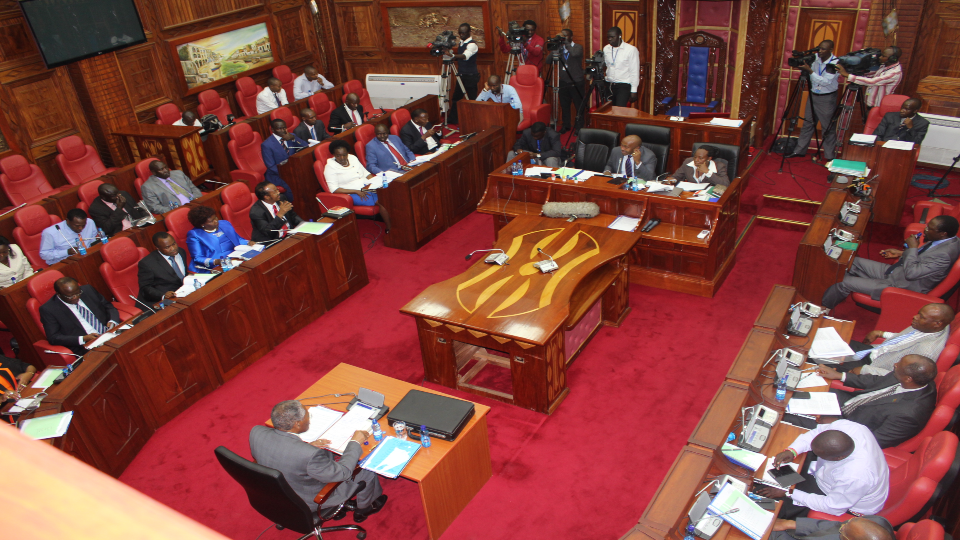
Senators and Governors on Collision Course Over County Oversight Bill
Nairobi, Kenya – A brewing storm in Kenya's devolved governance system threatens to pit the Senate against county governors as lawmakers push forward with a controversial new bill aimed at tightening oversight on how public funds are managed at the county level. The County Oversight and Accountability Bill, 2024, sponsored by Narok Senator Ledama Olekina and backed by colleagues from other regions, seeks to bridge long-standing gaps in transparency and public involvement in county budgeting. If passed, it could fundamentally alter the balance of power between national and county leaders, sparking fears of overreach and potential legal battles.
Devolution, Kenya's cornerstone of decentralized governance introduced over a decade ago, was designed to empower local communities by shifting resources and decision-making closer to the people. Yet, persistent challenges have undermined its promise. Residents often grapple with confusion over budget components, such as ward development funds, which many mistakenly link to national initiatives vulnerable to corruption. Without a clear legal framework, public participation in financial planning remains superficial, leaving citizens in the dark about how their taxes and allocations are spent. This bill arrives at a critical juncture, informed by recent court rulings that have sharpened the Senate's constitutional mandate under Article 96(3) to oversee county affairs.
At the heart of the legislation is the establishment of dedicated county oversight offices tasked with monitoring every stage of public fund handling, from allocation and collection to usage and management. These offices would enforce rigorous public engagement protocols, mandating the publication of county budgets for widespread scrutiny. Governors and their finance executives would be required to host forums in designated county halls, where they present election manifestos, finance bills, and annual budgets for open discussion. The oversight would cover not just the equitable share of national revenue funneled to counties but also locally raised funds, ensuring alignment with constitutional standards and national public finance laws.
Supporters in the Senate view the bill as a vital corrective measure to longstanding inefficiencies. Olekina, drawing from experiences in his home county of Narok, pointed out how locals frequently misinterpret local development allocations as distant national pots rife with graft, leading to widespread disillusionment. He argued that the proposed structures would empower ward-level communities to voice their priorities directly during budget cycles, fostering genuine awareness and input. By clarifying the Senate's role, the bill would enable senators to hold regular constituency meetings, promoting a culture of accountability that has been absent in many devolved units.
Echoing this sentiment, Nairobi Senator Edwin Sifuna stressed the need to synchronize the legislation with judicial interpretations of the Senate's powers, addressing the patchwork of current practices that fall short on public involvement. He highlighted how the bill would extend scrutiny to all revenue streams at the county level, creating a more robust framework for citizen oversight. Elgeyo Marakwet Senator William Kisang added that the mandated county halls would serve as essential venues for governors and finance officials to demystify budgets, bridging the knowledge gap that leaves most residents unaware of fiscal timelines and processes. Together, these senators from varied regions signal broad legislative buy-in for reforms that could democratize county finances.
However, the bill's bold provisions have ignited alarm bells among governors, who see it as a direct assault on their autonomy. By amplifying the Senate's intervention in local budgeting and manifesto execution, the measure risks tipping the scales toward centralized control, potentially reviving old grievances over devolution's erosion. Governors may perceive the public forums and oversight offices as meddlesome intrusions, complicating their ability to execute policies without constant national-level interference. This tension could erupt into full-scale political showdowns, with county leaders mobilizing against what they might frame as a power grab disguised as accountability.
The ramifications of this legislative push extend far beyond the Senate floor. Successful passage could usher in an era of heightened transparency, where informed citizens actively shape county priorities and curb fund mismanagement. It might also solidify the Senate's place in the devolution ecosystem, establishing precedents for collaborative yet firm national oversight. On the flip side, resistance from governors could delay or derail the bill through amendments, court challenges, or partisan gridlock, further straining intergovernmental relations. As debates loom in legislative chambers, the outcome will test the resilience of Kenya's devolved model, determining whether oversight strengthens devolution or sows deeper divisions over resource control.
With senators like Olekina, Sifuna, and Kisang championing the cause, the stage is set for intense negotiations. Stakeholders across the political spectrum are watching closely, aware that the bill's fate could redefine how power and money flow in Kenya's counties for years to come. As public interest grows, calls for balanced reforms that respect devolution's spirit while closing accountability loopholes are likely to intensify.