

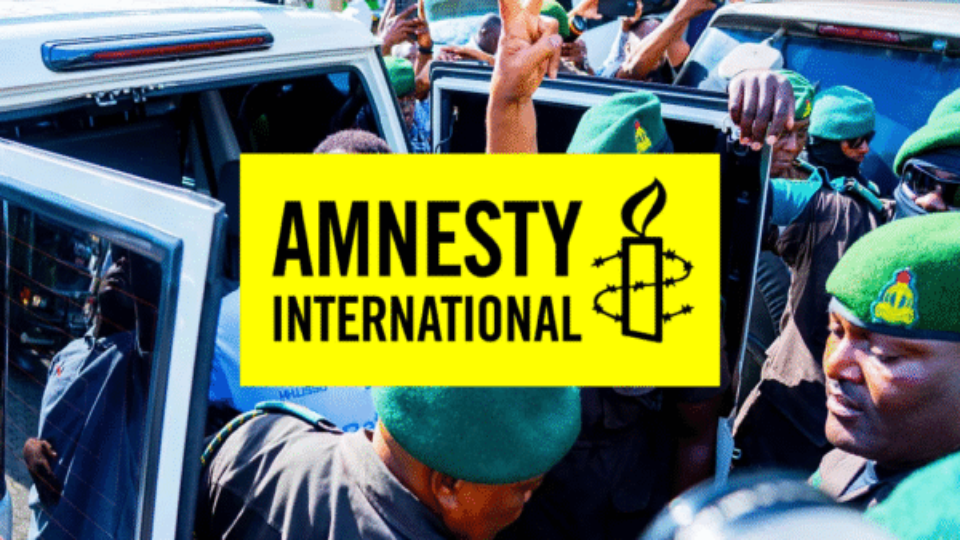
Tanzania Firmly Rejects Amnesty International’s Claims of State-Sponsored Disappearances and Torture Ahead of 2025 Elections
Dar es Salaam – In a sharp rebuttal that underscores deepening tensions between the Tanzanian government and global human rights watchdogs, officials have categorically denied allegations leveled by Amnesty International accusing state security forces of orchestrating enforced disappearances, torture, and extrajudicial killings. The controversy, erupting just weeks before key preliminary electoral activities, highlights the high stakes surrounding Tanzania's upcoming 2025 General Election and raises fresh questions about the state of democratic freedoms in the East African nation.
The dispute centers on Amnesty International's October 20 report, titled Unopposed, Unchecked, Unjust: ‘Wave of Terror’ Sweeps Tanzania Ahead of 2025. This 50-page document paints a grim picture of a systematic crackdown designed to stifle opposition voices and consolidate power under President Samia Suluhu Hassan. Drawing from interviews with 43 individuals, including victims, witnesses, lawyers, and civil society activists, the report compiles evidence through photographs, official documents, and open-source verification to argue that Tanzanian authorities are deploying a arsenal of repressive tools to engineer an uneven electoral playing field.
At the heart of Amnesty's accusations lies the alleged weaponization of an array of restrictive laws that clash with international human rights norms. Legislation such as the Media Services Act, the Electronic and Postal Communications Act, the Political Parties Act, the Cybercrimes Act, and the Public Order Act stands accused of enabling arbitrary restrictions on fundamental freedoms. These measures, Amnesty contends, contravene Article 19 of the International Covenant on Civil and Political Rights and the Universal Declaration of Human Rights, which enshrine the right to seek, receive, and share information without interference. The result, according to the report, is a suffocating clampdown on freedom of expression, movement, and peaceful assembly, creating an environment where dissent is not just discouraged but actively punished.
The report details a chilling pattern of abductions, brutal interrogations, and unexplained deaths targeting opposition figures and critics. It describes these acts not as isolated incidents but as a deliberate strategy to intimidate potential challengers to the ruling Chama Cha Mapinduzi party ahead of the polls. Specific cases underscore the human toll: In September 2024, Ali Mohamed Kibao, a prominent official from the opposition Chadema party, was snatched from the streets and later discovered deceased under suspicious circumstances, his body bearing signs of violence. Just weeks ago, in early October 2024, Humphrey Hesron Polepole, a former diplomat turned vocal government critic, vanished without trace, leaving his family and colleagues in anguished limbo.
Opposition leaders have fared no better. Tundu Lissu, the fiery head of Chadema, remains entangled in a protracted treason trial that Amnesty labels as politically motivated persecution. Adding to the pressure, John Heche, Chadema's deputy leader, was arrested last week in Dar es Salaam shortly after showing up to support Lissu in court. This came on the heels of authorities barring Heche from traveling to neighboring Kenya to pay respects at the funeral of opposition icon Raila Odinga. Meanwhile, aspiring candidates like Luhaga Mpina of the Alliance for Change and Transparency party have been abruptly disqualified from running, effectively sidelining them from the race.
Amnesty's analysis extends to the electoral machinery itself, charging that the Independent National Electoral Commission favors the incumbents by stonewalling independent oversight and enforcing opaque processes. The organization warns that this pre-election "wave of terror" signals a broader entrenchment of authoritarianism, where civic space shrinks and the right to meaningful political participation evaporates. In response, Amnesty has issued urgent calls for the immediate liberation of all detainees held on political or religious grounds, alongside thorough probes into the documented abuses. Regional Director for East and Southern Africa Tigere Chagutah lambasted the regime's tactics, declaring that Tanzania's legal arsenal has been twisted into a blunt instrument for silencing critics and rigging the democratic game. He emphasized that the exclusion of opposition hopefuls from ballots and the assault on media freedoms not only betray constitutional promises but also erode the foundational principles of fair governance.
The Tanzanian government's riposte arrived swiftly and with unyielding force, framing the Amnesty findings as a barrage of fabrications unfit for serious discourse. Chief Government Spokesperson Gerson Msigwa, who also serves as Permanent Secretary in the Ministry of Information, Culture, Arts and Sports, issued a comprehensive statement decrying the report's "nature and tone" as a betrayal of the collaborative spirit expected in human rights advocacy. Without prior consultation, he argued, Amnesty's publication sows confusion and disrespects Tanzania's sovereign efforts to uphold justice.
Msigwa's missive reaffirms the nation's ironclad dedication to human rights, rooted in the 1977 Constitution as amended, alongside binding international pacts like the International Covenant on Civil and Political Rights, the African Charter on Human and Peoples' Rights, and the Convention Against Torture. Far from tolerating atrocities, the government maintains a zero-tolerance stance on torture and cruel treatment, with robust institutions primed for accountability. Allegations of wrongdoing trigger swift scrutiny by the Commission for Human Rights and Good Governance, the Director of Public Prosecutions, and an impartial judiciary, all operating under the Criminal Procedure Act and the Penal Code.
On the electoral front, Msigwa defended the Independent National Electoral Commission as a bastion of autonomy, shielded by Article 74(11) of the Constitution and committed to transparency, fairness, and broad participation. Freedoms of expression, assembly, and information access, he insisted, enjoy constitutional safeguards, tempered only by proportionate limits for public safety and order as permitted under international law. Enforced disappearances and extrajudicial killings find no quarter in Tanzania's playbook, with every claim funneled through investigative channels leading to prosecution where warranted. The spokesperson took particular umbrage at portrayals of the judiciary as beholden to political whims, stressing its independence and adherence to fair trial standards.
In a broader plea, Msigwa urged organizations like Amnesty to channel concerns through direct channels rather than public broadsides that risk misleading global audiences. Tanzania, he concluded, stands resolute in its pursuit of democratic ideals, the rule of law, and human dignity, both now and through the 2025 vote. This episode, against the backdrop of President Suluhu's tenure since 2021, evokes echoes of earlier eras under John Magufuli, where similar accusations of repression swirled, though officials maintain that reforms have only strengthened safeguards.
As Tanzania hurtles toward its October 29 preliminary polls and the full 2025 showdown, the clash between Amnesty's stark warnings and the government's defiant posture lays bare the fault lines in the nation's political landscape. With opposition ranks thinning and civic voices muffled, observers wonder whether these shadows will dissipate or darken further in the months ahead. For now, the battle of narratives rages on, a prelude to an election that could redefine the contours of power in this vibrant yet volatile republic.