

Ukraine-Russia Conflict Intensifies as Trump Considers Tomahawk Missile Transfer to Kyiv
Kyiv, Ukraine - The Ukraine-Russia war, now approaching its fourth year, faces a potential escalation as US President Donald Trump weighs the possibility of supplying Ukraine with advanced Tomahawk long-range cruise missiles. This development, which could significantly enhance Ukraine's ability to strike deep into Russian territory, has sparked both cautious optimism in Kyiv and grave concerns in Moscow, raising the specter of a new phase in the ongoing conflict.
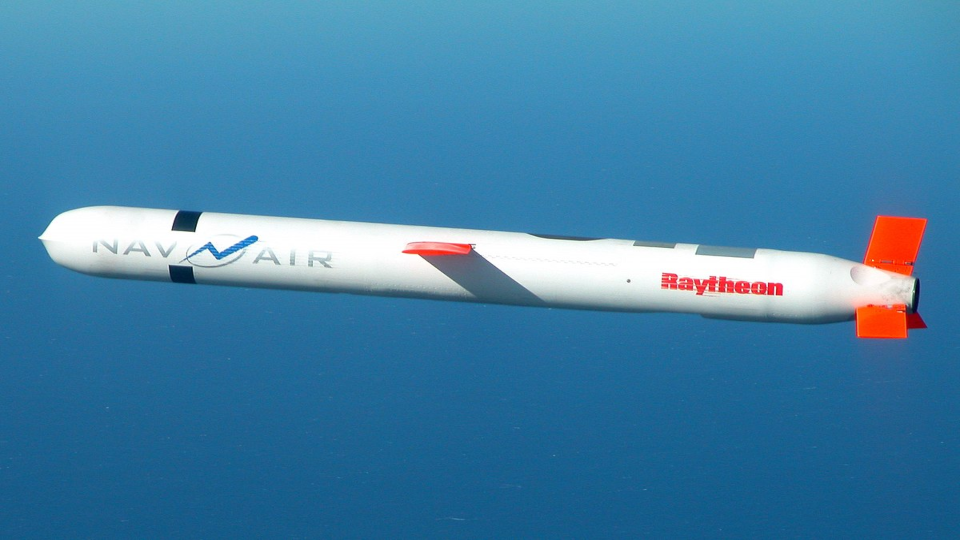
On Sunday, October 12, 2025, Ukrainian President Volodymyr Zelenskyy announced that, if provided, Ukraine would use the Tomahawk missiles exclusively against Russian military targets. The statement, aired on Fox News, came shortly after a productive phone call with Trump, marking their second conversation in as many days. Zelenskyy, writing on X, described the discussion as focusing on strengthening Ukraine’s air defenses, resilience, and long-range strike capabilities to counter Russian aggression more effectively. The Tomahawk missiles, with a range of 2,500 kilometers or approximately 1,550 miles, could enable Ukraine to target military installations far beyond the front lines, potentially including major Russian cities such as Moscow.
Trump, speaking to reporters aboard Air Force One en route to Israel on Sunday, characterized the Tomahawk as an incredible and highly offensive weapon, one that Russia would not want directed against it. He revealed he had tentatively made a decision on the matter but stressed that any approval would hinge on Ukraine clarifying its intended use of the missiles. Trump also floated the idea of directly informing Russian President Vladimir Putin of the potential transfer, framing it as leverage to push for an end to the war. If the conflict does not conclude soon, Trump suggested, the US could proceed with delivering the missiles to Ukraine. They would like to have Tomahawks, that’s a step up, Trump noted, underscoring the weapon’s significance.
The Kremlin has reacted with alarm, labeling the potential transfer a provocative escalation. On Sunday, Kremlin spokesperson Dmitry Peskov called the issue one of extreme concern, warning that it could severely strain US-Russian relations. Speaking to Russian state television reporter Pavel Zarubin, Peskov highlighted the dramatic moment in global tensions and noted that some Tomahawk variants are capable of carrying nuclear warheads, a factor Russia would consider in its strategic response. While Peskov had previously downplayed the missiles’ potential to alter the battlefield dynamics, his latest remarks reflect growing unease in Moscow as the war intensifies.
The backdrop to these discussions is a brutal escalation in Russian attacks on Ukraine, particularly targeting its energy infrastructure. Over the past week, Russia has unleashed more than 3,100 drones, 92 missiles, and approximately 1,360 glide bombs, according to Zelenskyy. On Friday, October 10, 2025, Russia executed what Ukrainian Prime Minister Yulia Svyrydenko described as one of the largest concentrated strikes on Ukraine’s energy grid, causing widespread blackouts across the country. Overnight attacks on Sunday wounded two employees of DTEK, Ukraine’s largest private energy company, at a substation in the Kyiv region, as reported by the regional governor. These assaults are part of Russia’s broader strategy to cripple Ukraine’s power sector ahead of winter, leaving millions vulnerable to outages and disrupting civilian life in cities like Kyiv.
Zelenskyy has framed Russia’s intensified bombardments as an opportunistic move, capitalizing on global distractions, particularly crises in the Middle East and domestic issues in other nations. In a Facebook post, he emphasized the urgent need for enhanced air defenses and missile systems to counter these attacks. This plea was echoed in a separate call on Sunday with French President Emmanuel Macron, who condemned Russia’s latest strikes and linked them to a pattern of obstinate warmongering. Macron, referencing recent progress toward peace in Gaza as a model, urged Russia to engage in negotiations, warning that continued aggression would come at a steep price. He stressed the need for accountability and reiterated France’s support for bolstering Ukraine’s defenses.
The conflict, sparked by Russia’s full-scale invasion in February 2022, has evolved into a grueling stalemate with no safe areas from aerial threats. Trump’s special envoy to Ukraine, Keith Kellogg, recently underscored this reality, noting in a television appearance that the war’s lack of boundaries has forced both sides into relentless engagements. Last month, Kellogg revealed that Trump had already authorized Ukrainian operations striking deep into Russia, paving the way for discussions about more advanced weaponry like the Tomahawks.
The potential transfer of Tomahawks represents a high-stakes decision for Trump’s administration, which has prioritized swift resolutions to global conflicts. The missiles could serve as a bargaining chip to accelerate peace talks or, conversely, escalate the conflict further, as Moscow fears. Zelenskyy’s commitment to using the weapons solely against military targets aims to reassure Western allies of Ukraine’s restraint, but the Kremlin’s warnings suggest that any such move could provoke a severe response.
As winter looms, Ukraine faces mounting challenges, with blackouts threatening civilian morale, economic stability, and military readiness. The international community remains deeply divided, with Western leaders like Macron advocating for diplomacy and accountability, while Russia doubles down on its campaign. The coming days will be critical as Trump consults with his national security team and Moscow calibrates its next moves. For now, the possibility of Ukraine wielding Tomahawk missiles has cast a long shadow over a war that continues to defy resolution, with both sides bracing for what could be a decisive turning point.