

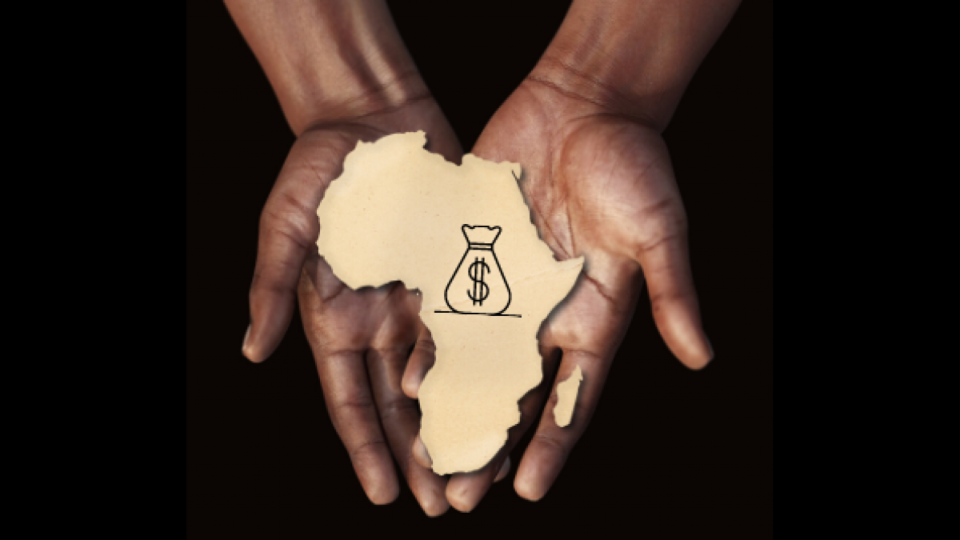
Urgent Call for Debt Relief Echoes Across Africa as Public Sector Faces Collapse
A coalition of over 30 prominent economists, former finance ministers, and a central banker has issued a stark warning to global leaders: Africa's crippling debt burden is strangling its public services, forcing governments to choose between repaying loans and investing in their people's survival. In a letter released on Sunday, these experts demand immediate and sweeping debt relief measures for low- and middle-income countries, just weeks before the World Bank and International Monetary Fund hold their annual meetings. The plea underscores a dire reality where nations are funneling billions into creditor coffers while schools shutter, hospitals run dry on supplies, and climate initiatives falter, all amid a deepening public sector meltdown.
The crisis, they argue, has reached a tipping point. African governments are now dedicating an average of 17 percent of their state revenues to servicing external debts, a figure that leaves little room for anything else. In a grim illustration of misplaced priorities, 32 African countries channel more money toward debt repayments than toward healthcare systems that serve millions. Similarly, 25 nations shortchange education budgets to meet creditor demands, robbing the next generation of classrooms and teachers. This relentless drain, the letter contends, amounts to a default on the continent's core development promises, with funds siphoned away from essential lifelines like clean water access, maternal health programs, and disaster preparedness.
The human cost is already unfolding in heartbreaking detail. Healthcare workers across the continent report wages too meager to cover basic living expenses, with 97 percent in six surveyed countries unable to make ends meet. Compounding the misery, nearly nine in ten of these professionals face chronic shortages of medicines, vaccines, and diagnostic equipment, all traced back to slashed public budgets. Children under five are dying at preventable rates, with estimates suggesting that unchecked debt servicing could claim 23,000 young lives annually. In parallel, education systems teeter on the brink, as underfunded schools lead to higher dropout rates and a widening skills gap that hampers long-term economic growth.
Experts behind the letter propose a straightforward yet transformative fix: cap debt servicing at no more than 10 percent of state revenues. Such a limit, they calculate, could unlock resources to provide clean drinking water to about 10 million people in 21 countries, directly tackling waterborne diseases that ravage communities. Beyond immediate relief, it would bolster broader efforts against climate change, enabling investments in resilient infrastructure and green energy that Africa desperately needs to weather rising temperatures and erratic weather patterns.
Yet the path forward is obstructed by faltering international support. Traditional aid flows, once a bulwark against such crises, have dwindled sharply. The United States, long the globe's top donor, has curtailed its contributions this year, redirecting funds to domestic and security priorities. This shift has hit hardest in Africa, where 10 of the 13 most affected countries now grapple with deepened humanitarian gaps, from famine response in the Horn of Africa to refugee support in the Sahel. As aid evaporates, the continent's vulnerability grows, amplifying the debt trap's chokehold.
Current debt relief tools, the economists assert, fall woefully short of the mark. A framework led by the Group of 20 major economies has managed to alleviate just 7 percent of the external debt stock in vulnerable nations, leaving the bulk of obligations intact and creditors unchallenged. This piecemeal approach, they say, ignores the systemic flaws in how global institutions like the World Bank and IMF evaluate debt sustainability, often underestimating the true affordability thresholds for cash-strapped governments.
In a bold push for reform, the letter outlines a roadmap for action. World leaders must prioritize rapid debt reductions to free up fiscal space, overhaul the antiquated assessment models used by multilateral lenders, and pioneer innovative structures like a "Borrowers' Club." This proposed alliance would empower debtor nations to band together, negotiating as a unified bloc to extract better terms from creditors and avoid the isolation that has long weakened their leverage.
The signatories, drawing from decades of experience in global finance and policy, bring formidable weight to their appeal. Among them are Nobel laureate economists whose work has shaped inequality debates, former central bank governors who navigated Latin American recoveries, and ex-ministers who steered African economies through volatility. Their unified voice amplifies a growing chorus from civil society, labor unions, and youth movements across the continent, all rallying against what they term an "odious" financial architecture that perpetuates poverty.
As the World Bank and IMF convene next month in a yet-to-be-announced host city, the stakes could not be higher. Decisive intervention now, the experts warn, holds the power to rewrite Africa's trajectory: more children in school absorbing lessons unhindered by hunger, more nurses at bedsides with tools to heal, and more resources marshaled against the existential threats of global warming. Failure to act, however, risks entrenching a cycle of austerity and despair, where debt's shadow eclipses the dawn of equitable progress.
This call comes at a pivotal moment for Africa, a continent brimming with youthful energy and untapped potential, yet shackled by legacies of colonial extraction and unequal trade. With public sector workers striking in countries from Kenya to Zambia over unpaid salaries, and opposition parties decrying "fiscal colonialism," the pressure on international forums intensifies. Whether leaders heed the urgency remains to be seen, but one thing is clear: the clock is ticking on a crisis that spares no one, from the rural farmer without irrigation to the urban child denied a textbook.