

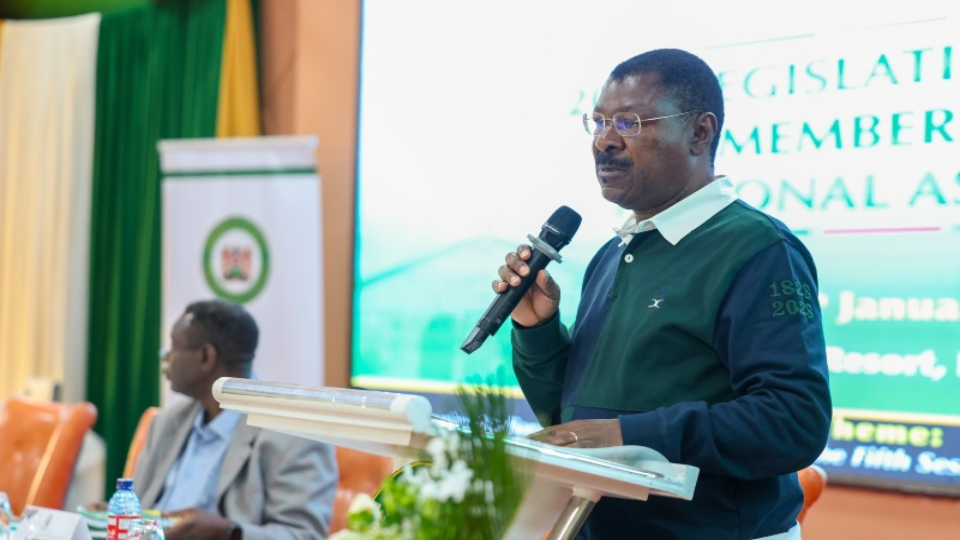
Wetangula, Koome back Establishment of a Unified Bursary Distribution System
National Assembly Speaker Moses Wetang'ula and Chief Justice Martha Koome have thrown their weight behind the establishment of a unified bursary distribution system to support needy learners across Kenya.
The call came during the National Assembly’s 2026 Legislative Retreat held in Naivasha on January 29, 2026. The discussions centered on streamlining the country's fragmented education funding mechanisms by merging various bursary and scholarship programs into one central fund.
Speaker Wetang'ula directed members of parliament to prepare legislation that would consolidate multiple bursary streams. These include funds from county governments, the National Government Constituencies Development Fund (NG-CDF), and other public scholarship initiatives. He emphasized that the overlapping awards lead to inequities and undermine the education sector.
He challenged the Ministry of Education to convene all relevant stakeholders and develop clear guidelines for merging duplicated bursary programs into a single central basket. This would ensure more efficient distribution to the intended beneficiaries. Wetang'ula noted that all these resources originate from the same source, making consolidation logical and necessary. He confirmed that Parliament stands ready to pass the required laws once a solid policy framework is presented.
Chief Justice Koome echoed these sentiments, building on her recommendations from the previous year. She stressed that a single unified fund would secure support for genuinely needy learners without influence from political affiliations. Both leaders criticized the existing scattered approach, where MPs, governors, Woman Representatives, and Members of County Assemblies distribute bursaries independently. They described the system as inefficient, unfair, and open to misuse. The current setup often results in deserving students missing out while promoting institutionalized tokenism, where assistance is traded for political loyalty.
The push for reform comes against a backdrop of persistent challenges. Delays in fund releases have disrupted schooling for thousands of students, partly due to ongoing disputes between county governments and the Controller of Budget. Counties had reached agreements with the national government for bursary disbursements, but approvals were pending. President William Ruto has directed the release of these funds, indicating that necessary arrangements are now in place.
Controller of Budget Margaret Nyakang’o has previously endorsed consolidation efforts. She warned that the present allocations are frequently swayed by favoritism and political interests rather than need. Last year, she barred counties from handling bursary distributions, a position upheld by the Senate, as education funding falls under national government responsibility.
Supporters of the unified system argue that it would minimize delays, eliminate duplications, reduce corruption risks, and direct resources straight to schools and students. Awards would prioritize merit and transparency, bringing the country closer to achieving truly free education for those in need.
The National Assembly Clerk has already initiated contact with the Ministry of Education to kickstart policy discussions. While some argue that local leaders are better positioned to identify vulnerable learners in their communities, the momentum from both legislative and judicial leaders signals strong backing for centralized management of education support.