

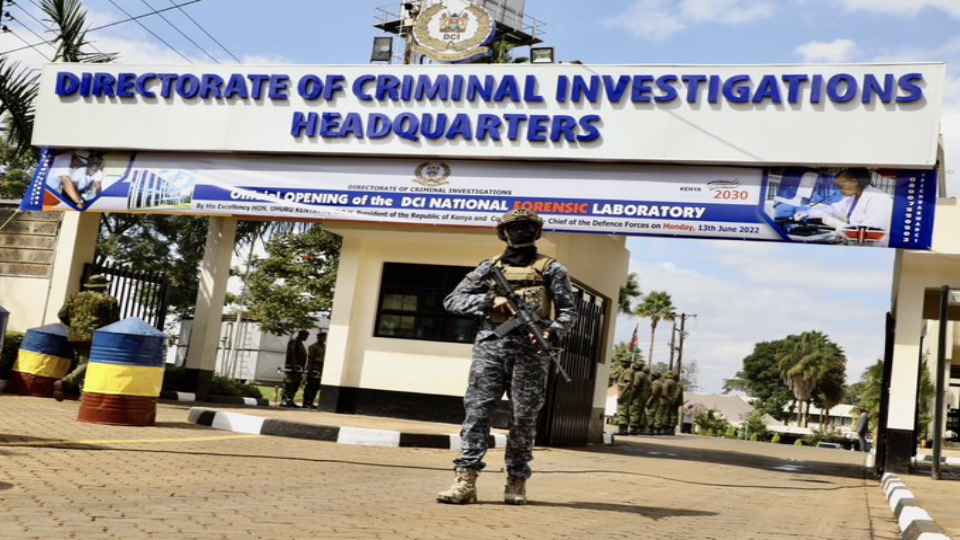
Court Blocks DCI from Accessing Medical Records in Russian War Probe
In a significant ruling, the High Court in Nairobi has temporarily barred the Directorate of Criminal Investigations (DCI) from accessing confidential medical records from two private hospitals as part of an ongoing investigation into the recruitment of Kenyans to fight in the Russian war. The decision, delivered by Justice Chacha Mwita on Monday, September 29, 2025, underscores the delicate balance between law enforcement objectives and the protection of individual privacy rights.
The DCI had sought medical records from Universal Trends Medical and Diagnostic Centre and Inspocare Health Limited, specifically targeting the files of two individuals, Vincent Odhiambo and Moogi Duncan. Additionally, investigators requested details of all patients whose medical bills were paid by international organizations over the past six months. The DCI claimed these documents were critical to their probe into how former Kenyan army officers were allegedly recruited to join Russian forces in an ongoing conflict.
The hospitals, however, resisted the directive, arguing that it was unconstitutional and violated patients' fundamental rights. Represented by lawyer Danstan Omari, the medical facilities filed a petition challenging the DCI's demands, asserting that compliance would infringe on constitutional protections and breach medical confidentiality.
Justice Mwita issued temporary conservatory orders prohibiting the DCI, the Attorney General, and the Inspector General of Police from compelling the hospitals to release the requested medical records. These orders will remain in effect until October 8, 2025, when the court will reconvene to provide further directions on the matter. The judge emphasized that the case raises significant constitutional questions that require thorough examination.
In his ruling, Justice Mwita directed the petitioners to serve all relevant pleadings to the respondents immediately. He also ordered the State to file its responses within seven days, setting the stage for a legal battle that could shape the boundaries of investigative authority and patient privacy in Kenya.
The hospitals, through their legal team, argued that the DCI's request lacked a court order, rendering it unlawful. They further contended that the patients in question had not provided consent for the release of their medical records, making the demand a violation of their rights. The petition cited Articles 28, 31, and 43 of the Kenyan Constitution, which guarantee the rights to dignity, privacy, and health, respectively. Additionally, the hospitals invoked provisions of the Health Act, 2017, which mandates the protection of patient confidentiality.
Directors of the hospitals, Dr. Ndiritu Wangui and Dr. Isaac Maundu, submitted affidavits warning that complying with the DCI's directive would expose their facilities to accusations of professional misconduct and potential legal liability for breaching patient confidentiality. They argued that such actions would undermine public trust in the healthcare system and violate ethical standards upheld by medical professionals.
The hospitals further alleged that their refusal to comply with the DCI's demands had led to harassment and intimidation by law enforcement officers. According to the petitioners, this pressure was an attempt to coerce them into surrendering the confidential records, further highlighting the contentious nature of the investigation.
The court's intervention comes at a time when Kenya is grappling with complex issues surrounding national security and individual rights. The investigation into the alleged recruitment of Kenyans into foreign conflicts has raised questions about the extent to which law enforcement can access private information without judicial oversight. The outcome of this case could set a precedent for how similar requests are handled in the future, particularly in matters involving sensitive personal data.
The temporary orders issued by Justice Mwita reflect the court's recognition of the need to protect constitutional rights while allowing the legal process to unfold. As the case progresses, it will likely spark broader discussions about privacy laws, the scope of investigative powers, and the ethical responsibilities of medical institutions.
The matter is scheduled for mention on October 8, 2025, when the court will review the pleadings and responses from both parties. Legal analysts anticipate that the case will draw significant attention, given its implications for constitutional law and the protection of personal data in Kenya. For now, the temporary conservatory orders provide a reprieve for the hospitals and their patients, ensuring that their medical records remain confidential until the court makes a final determination.
This ruling serves as a reminder of the judiciary's role in safeguarding individual rights against overreach by state agencies, while also highlighting the complexities of balancing national security interests with constitutional protections.