

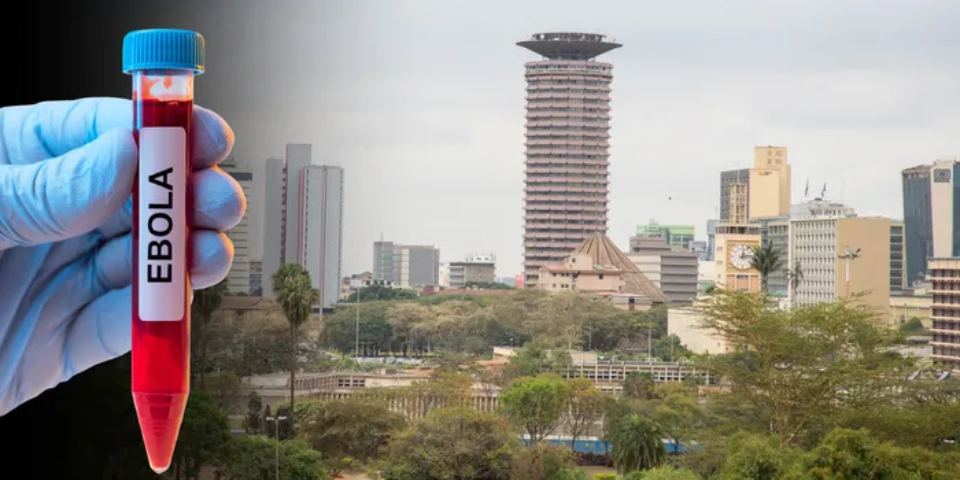
Kenya Records Eighth Ebola Case as Africa CDC Pledges Ongoing Support to Contain Outbreak
Kenya has confirmed its eighth Ebola case, involving a 49-year-old patient attendant, as health authorities intensify containment measures and the Africa Centers for Disease Control and Prevention reaffirms its full support for the national response.
Director-General for Health Dr Patrick Amoth announced the latest infection after testing 38 people. The patient, who is not a direct healthcare worker, developed fever, headache and muscle pain before testing positive. Officials have isolated the individual and are preparing to start treatment.
All seven previously confirmed patients have received monoclonal antibodies and are responding positively. A 65-year-old woman has shown marked improvement, with vomiting and diarrhoea having stopped. She is now feeding herself and moving about. Another male patient is also improving, while three staff members at the Nairobi isolation centre who received treatment remain stable.
A fresh shipment of medicine has arrived from Rwanda and will be used in patient care. Health officials expressed cautious optimism that the situation will improve, while urging the public to cooperate fully with containment efforts.
The outbreak involves Bundibugyo virus disease, a rare strain of Ebola. Earlier updates indicated that authorities had identified 130 contacts, with 128 of them traced and placed under quarantine. Officials reported no evidence of community transmission at that stage and assessed the risk to the wider public as low.
The confirmation of the eighth case follows the detection of four additional infections that had raised the national total to seven. All of those earlier new cases occurred among people already under quarantine after exposure to the initial patient. This pattern of early detection within monitored groups has been highlighted as evidence of the effectiveness of contact tracing, surveillance and timely isolation in limiting further spread.
The Africa Centers for Disease Control and Prevention has publicly reaffirmed its continued support for Kenya. The continental health agency praised the country’s rapid identification of cases and the leadership shown by Kenyan authorities through swift public health measures and transparent communication. It stated that it stands firmly with the government, the people of Kenya, healthcare workers and all those affected.
The agency stressed that protecting lives depends on sustained vigilance, public trust, community engagement and coordinated action. It also pointed to the ongoing Ebola situation in the Democratic Republic of the Congo as a reminder of the need for stronger regional preparedness. Countries and partners across the continent were urged to enhance cross-border surveillance, information sharing, early detection systems and joint public health responses.
Communities have been encouraged to stay alert, follow official health guidance and report any symptoms without delay. Ebola is transmitted through direct contact with the blood or other bodily fluids of an infected person, or through materials contaminated by those fluids. Early detection combined with proper medical care significantly improves survival chances and helps stop further transmission.
Health Cabinet Secretary Aden Duale has sought to reassure the public as teams work to keep the virus contained. Officials continue to monitor all contacts closely and maintain isolation protocols while treatment progresses for those already infected.