

Senators Raise Alarms Over Expanding Role of Kenya Defence Forces in Civilian Infrastructure Projects
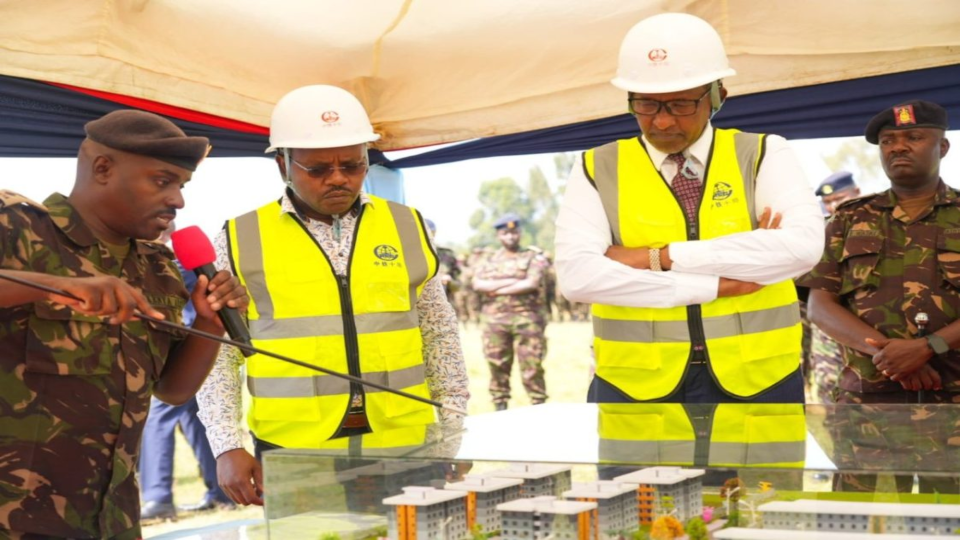
Nairobi – Kenyan senators have voiced strong concerns regarding the deepening involvement of the Kenya Defence Forces (KDF) in public infrastructure initiatives traditionally handled by civilian contractors. This trend, they argue, risks undermining transparency, sidelining local businesses, and potentially opening doors to corruption, even as proponents highlight the military's efficiency and legal backing for such engagements.
The debate unfolded during a Senate session where lawmakers scrutinized the procurement processes for several national government projects since 2020. Marsabit Senator Mohammed Chute urged the Senate Standing Committee on Roads, Transportation and Housing to launch a probe into how these contracts were awarded, particularly in cases where the KDF bypassed standard open tendering procedures. He pointed to the construction and renovation of multiple stadiums as prime examples, questioning why qualified civilian firms were overlooked in favor of military-led execution.
Echoing these sentiments, Vihiga Senator Godfrey Osotsi challenged the application of key legislation, including the Public Finance Management Act and the Public Procurement and Asset Disposal Act, in these arrangements. He warned that the KDF's operations, which face limited public oversight, could exploit gaps in accountability and foster corrupt practices. Osotsi stressed that mechanisms to instill discipline and ensure cost-effectiveness already exist across various economic sectors, making reliance on the military unnecessary and counterproductive.
Not all voices in the chamber aligned with this critique. Narok Senator Ledama Olekina mounted a robust defense of the KDF's participation, asserting its firm grounding in existing laws. He referenced the establishment of Ulinzi Construction Company under the KDF in 2021 as a dedicated arm for such works, and noted the ongoing deliberation of the Critical Infrastructure Bill, 2024, in the National Assembly. Olekina clarified that these efforts stem from national priorities rather than undue influence from private entities, positioning them squarely within permissible boundaries.
Senate Majority Leader Aaron Cheruiyot provided further context on the legal flexibility at play. He explained that procurement regulations permit direct contracting between government bodies in scenarios demanding urgency, sparing them the delays of protracted public bidding. Cheruiyot emphasized that these deals lack a profit motive, a practice mirrored globally, such as through Chinese state-owned enterprises. He proposed that Kenya might benefit from cultivating its own slate of state-run companies to rival top international performers in infrastructure delivery.
The discussion also spotlighted broader economic ripple effects. Nominated Senator Karen Nyamu demanded greater transparency on the guiding principles for KDF-led projects, inquiring whether they proceed via executive directives, bespoke agreements, or genuine competitive tenders. She cautioned that channeling such assignments to the military could erode job prospects for ordinary Kenyans and constrict the flow of public funds through community-based enterprises. Nyamu advocated for the KDF to recommit to its primary security duties, while extending logistical or advisory support to vetted civilian contractors boasting solid performance histories.
In a more conciliatory tone, Nominated Senator Beatrice Ogolla acknowledged the potential upsides of military contributions to societal advancement. She contended that no inherent drawback exists in leveraging KDF expertise for communal benefits, as long as strict adherence to legal protocols is maintained. Ogolla reminded colleagues that KDF members, funded by taxpayer money and equipped with specialized training, represent a public resource well-suited for developmental roles under regulated conditions.
This exchange underscores a larger tension in Kenya's governance landscape: balancing the allure of streamlined project execution against the imperatives of equitable economic participation and robust oversight. As infrastructure demands escalate amid ambitious national visions like the Bottom-Up Economic Transformation Agenda, senators appear poised to pursue deeper inquiries, potentially reshaping how public works are commissioned and delivered. The Senate committee's forthcoming review could yield recommendations to refine these practices, ensuring they align with both efficiency goals and democratic safeguards.