

US Trade Court Weighs Legality of Trump’s 10 Percent Global Tariffs
A panel of judges at the US Court of International Trade has questioned the legal basis for President Donald Trump's 10 percent tariff on most imports, suggesting that a large trade deficit alone may not justify such broad measures. The tariffs took effect on February 24 after Trump invoked Section 122 of the Trade Act of 1974 to address balance-of-payments deficits or potential dollar depreciation.
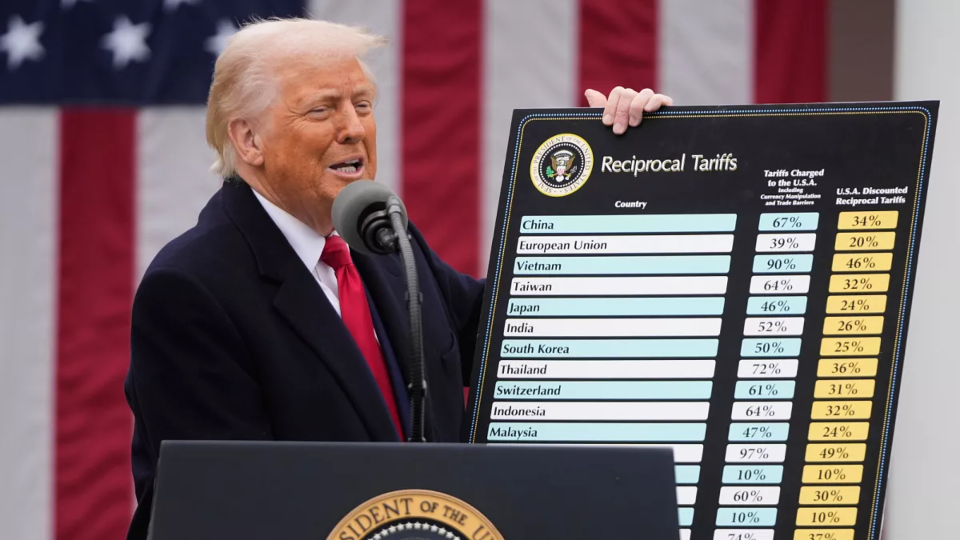
The court heard three hours of arguments on April 10 in lawsuits filed by 24 mostly Democratic-led states and small businesses challenging the policy. Those plaintiffs argue that the move attempts to bypass a Supreme Court decision issued four days earlier that struck down Trump's 2025 tariffs imposed under the International Emergency Economic Powers Act. Those earlier tariffs, many exceeding 10 percent, had disrupted corporate trade and reduced business investment while generating billions in federal revenue before being overturned.
Even with the previous tariffs in place, the US trade deficit stood at 901.5 billion dollars in 2025, virtually unchanged from the prior year. Lawyers for the states and businesses contend that Section 122 was designed only for short-term monetary emergencies, not routine trade deficits, and that the law originated in the 1960s and early 1970s when the dollar was tied to gold reserves. They note that the United States ended gold convertibility in 1971, eliminating any immediate risk of a gold run.
Judge Timothy Stanceu, appointed by Republican President George W. Bush, pressed the administration on whether a trade deficit equals a balance-of-payments deficit under the 1974 statute. Department of Justice lawyer Brett Shumate replied that the trade deficit contributes to a broader and serious international payments problem. Oregon lawyer Brian Marshall urged the court to block the tariffs outright rather than allow them to expire after the 150-day limit, warning that repeated invocations could keep the measures in place indefinitely.
The court has not indicated when it will issue a ruling. The lawsuits do not challenge other Trump tariffs imposed under more traditional authorities, such as those on steel, aluminum and copper. Trump has made tariffs a cornerstone of his second-term foreign policy, asserting broad authority to act without congressional approval. No previous president had used Section 122 or the International Emergency Economic Powers Act in this manner for tariffs